Introduction to Buy Now, Pay Later (BNPL)
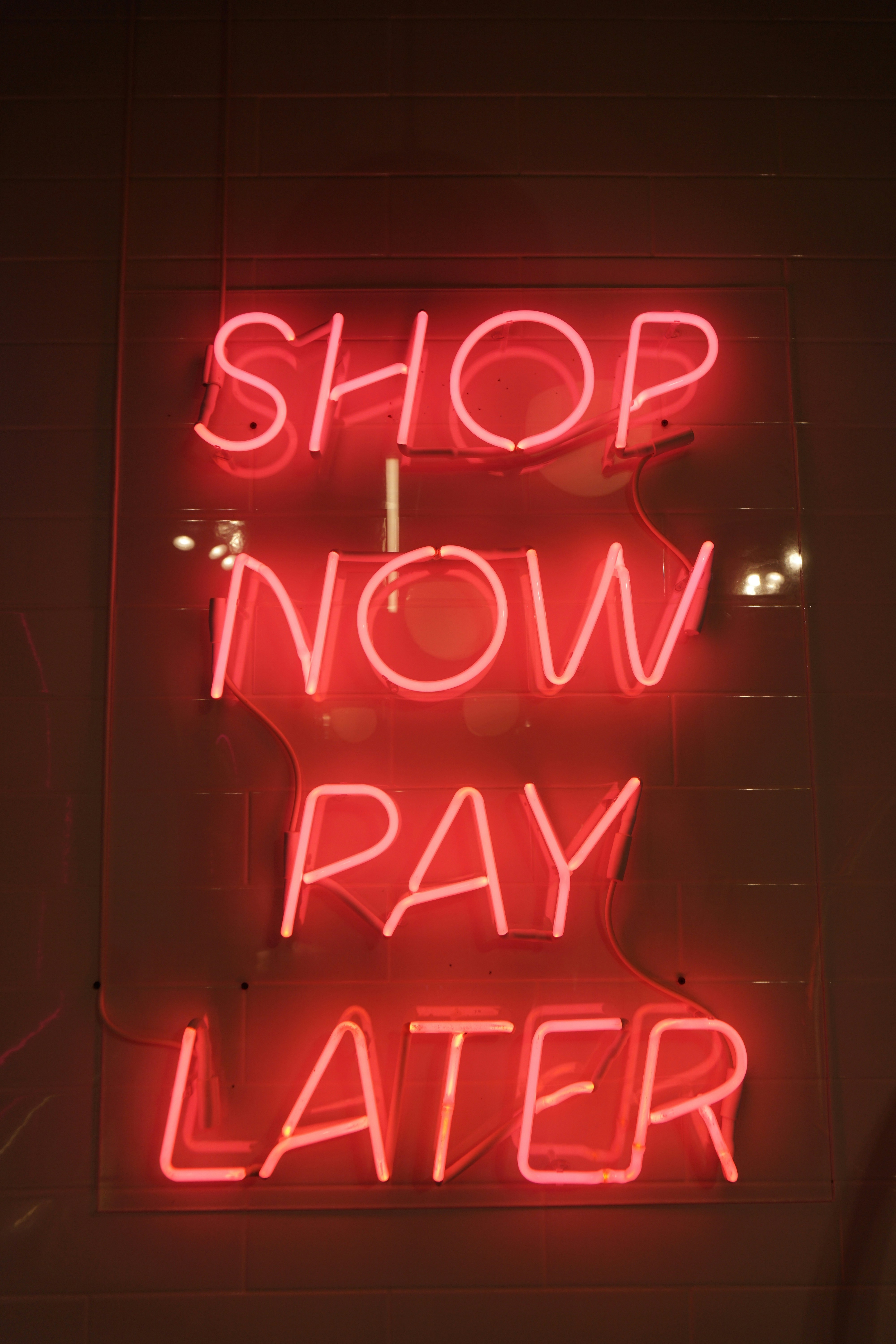
The Buy Now, Pay Later (BNPL) financing model has rapidly gained traction in recent years, particularly in America. This payment option allows consumers to purchase goods immediately while deferring payment over a specified period. The rise of BNPL can be attributed to changes in consumer behavior, technological advancements, and shifting retail landscapes. Originally rooted in traditional layaway plans, today’s BNPL services offer a more flexible and instantaneous approach to consumer financing.
At its core, the BNPL model enables shoppers to spread the cost of their purchases into manageable installments, typically paid weekly or monthly. This system helps with cash flow management and makes it easier for consumers to afford higher-priced items without accruing interest, as many BNPL options offer interest-free payment plans. The technology behind BNPL, including mobile apps and online platforms, facilitates a seamless integration with e-commerce sites, enabling users to apply for financing at checkout with minimal friction.
This trend reflects changes in how consumers prioritize spending, especially among younger generations who prefer budget-friendly options. The convenience offered by BNPL has made it particularly appealing during times of economic uncertainty, when individuals might be more cautious with their finances. Thus, it is no surprise that BNPL has become a significant part of modern shopping culture, with countless retailers adopting this payment method to enhance customer experience and loyalty. With the continuous expansion of digital payment solutions, BNPL is set to become a mainstay in the financial habits of consumers.
The Rise of BNPL in the United States
The introduction and rapid growth of Buy Now, Pay Later (BNPL) services in the United States have significantly transformed the landscape of consumer finance. These services allow consumers to make purchases and defer payment, often without incurring interest if paid within a specified period. As a result, they have become an increasingly popular choice for American shoppers, particularly in the wake of economic uncertainty.
Statistical data reveals a marked increase in BNPL usage among consumers over recent years. Reports indicate that participation in BNPL programs has surged, with estimates suggesting that approximately 40% of Americans have engaged with these services at least once. The pandemic also played a critical role in this trend, pushing consumers toward online shopping platforms where BNPL options are frequently offered as a payment method. This shift in shopping behavior has made it easier for consumers to access these financial solutions.
Moreover, during significant economic events, such as the fluctuations in the job market and the focus on frugal spending, BNPL services have provided an attractive alternative to traditional credit. They offer consumers a flexible means to manage expenditures without the burden of high-interest credit cards. The growing acceptance of BNPL among retail merchants has further accelerated its popularity. Many retailers see offering such payment options as a way to boost conversion rates and increase averaging order values.
Notably, the success of BNPL services is linked to their ability to cater to a diverse demographic, including younger consumers who are more comfortable with digital payments. The functionality these services provide aligns well with current trends, making finance more accessible and manageable, hence supporting their widespread adoption. As consumer preferences continue to evolve, it is likely that the BNPL model will remain a key player in shaping the future of interest-free financing options in the United States.
How BNPL Works: A Step-by-Step Guide
Understanding how Buy Now, Pay Later (BNPL) services function is essential for consumers looking to make informed financial decisions. The process typically involves several key steps, beginning with selecting a retailer that offers BNPL options. Many online and brick-and-mortar stores have integrated these services into their payment systems, making it easier for consumers to opt for financing at the point of sale.
Once a customer chooses to utilize a BNPL service, they usually start by completing a straightforward application process. This usually requires basic personal information, including name, address, and payment details. Depending on the BNPL provider, this application may involve a soft credit check, which does not affect the customer’s credit score. Upon approval, customers can proceed with their purchases.
After selecting their item, customers who opt for BNPL will typically see the option at checkout. This may be presented as a choice for splitting the total cost into manageable installments over a specified period. Most providers allow consumers to pay in four installments, with the first payment due at the time of purchase. The remaining payments are usually scheduled every two weeks or monthly, depending on the terms set by the BNPL service.
While BNPL can make purchases more accessible, consumers should also be aware of potential fees. Late payments can incur additional charges, and some providers may include interest if payments extend beyond the agreed schedule. Understanding these aspects is crucial to avoid any unintended financial burden. By effectively managing payment schedules and being aware of any fees involved, customers can leverage BNPL as a helpful financing tool in their shopping experience.
In conclusion, the BNPL process enables consumers to make purchases while managing their finances effectively. Understanding the steps involved, from application to payment scheduling and potential fees, allows customers to utilize these services judiciously.
Advantages of Using BNPL for Consumers
Buy Now, Pay Later (BNPL) options are increasingly becoming a popular financial choice in America due to their appealing benefits for consumers. One of the primary advantages of using BNPL is improved cash flow management. By allowing consumers to spread the cost of a purchase over time, BNPL helps individuals maintain a healthy balance in their finances. This flexibility is particularly beneficial for those who may face unexpected expenses or fluctuations in income, as it enables them to manage their finances more effectively.
Additionally, BNPL options are designed for ease of use. Many retailers now offer this payment method at checkout, making it accessible for consumers. Typically, signing up for a BNPL program is straightforward, often requiring just a few clicks or a simple mobile application. This convenience, coupled with a seamless checkout experience, encourages more consumers to adopt BNPL, ultimately enhancing customer satisfaction and loyalty.
Another significant advantage is that BNPL can empower consumers to make larger purchases without immediate financial strain. Often, individuals may hesitate to buy higher-ticket items due to the upfront costs. With BNPL, they can confidently purchase products such as electronics, furniture, or travel experiences while distributing the payments over a set period. This ability to finance larger purchases can enhance consumers’ access to various goods and services, contributing to a less stressful shopping experience.
BNPL also tends to be more flexible than traditional financing options. Many plans do not require a hard credit check, which can be limiting and off-putting for some consumers. Instead, BNPL providers often use alternative methods to assess creditworthiness. This inclusive approach allows a broader range of individuals to access financing options, thereby enhancing their overall financial freedom.
In conclusion, the advantages of utilizing BNPL options—such as improved cash flow management, ease of use, and the capacity to make substantial purchases without immediate financial strain—illustrate why this payment method is gaining popularity among consumers in America. By understanding its benefits, individuals can make informed decisions that align with their financial goals.
Potential Risks and Drawbacks of BNPL
Buy Now, Pay Later (BNPL) services have become a popular alternative to traditional financing. However, consumers should be aware of the potential risks and drawbacks associated with these payment options. One significant risk is the possibility of accumulating debt. While BNPL can make purchases more manageable, it can also encourage consumers to spend beyond their means. Many users may underestimate their ability to repay, leading to high levels of debt.
Additionally, some BNPL providers may impose hidden fees that can catch users off guard. Late payment fees are common and can compound financial difficulties, especially for individuals who may already be living paycheck to paycheck. It is essential for consumers to read the terms and conditions thoroughly to understand any fees that may be applied to their account. This can help avoid unexpected charges that increase the overall cost of the purchase.
Moreover, missed payments on BNPL plans can have serious implications. Not only can they lead to increased financial strain due to late fees, but they may also affect a consumer’s credit score. Many BNPL companies report payment histories to credit bureaus, which means that failing to make repayments on time could negatively impact one’s creditworthiness. This is especially crucial for young consumers who are just beginning to establish their credit history.
To mitigate these risks, consumers should establish a budget that includes BNPL payments, ensuring they will not stretch their finances too thin. It is vital to keep track of all active BNPL agreements to avoid surprises. Using these services wisely can allow consumers to enjoy the convenience of BNPL while minimizing potential pitfalls.
Demographics: Who is Using BNPL?
Understanding the demographics of individuals utilizing Buy Now, Pay Later (BNPL) services provides vital insights into the prevailing trends in consumer finance. Survey data indicates that a significant proportion of BNPL users falls within the age bracket of 18 to 34 years. This younger generation is often more open to adopting innovative financial solutions, perceiving BNPL as an advantageous option for purchasing goods without immediate financial strain.
Working with the data, it becomes evident that this demographic frequently engages in online shopping, where BNPL services are prominently featured. The appeal of not having to pay upfront attracts millennials and Gen Z shoppers, allowing them to manage their budget better while enjoying the flexibility of paying over time. Furthermore, these age groups generally display a comfort level with technology, making the digital interfaces of BNPL platforms especially accessible.
Income levels for BNPL users vary, but a notable segment reports annual earnings between $30,000 and $60,000. This income range reflects middle-income consumers who are seeking financing options that align with their financial capabilities. Interestingly, BNPL services tend to resonate well with consumers in both urban and suburban areas, indicating that geographical location does not significantly hinder its adoption.
Moreover, shopping habits also play a critical role in BNPL utilization. Users often favor purchasing non-essential items such as electronics, fashion, and home goods through these payment plans. This trend underlines a behavioral shift where consumers lean towards financing discretionary spending, rather than using BNPL solely for essential purchases.
The growth of BNPL services has underscored the changing landscape of consumer finance, particularly among younger individuals and middle-income earners. These demographic factors not only illustrate who is leveraging BNPL but also highlight the ongoing evolution of shopping habits in America.
The Role of Retailers in Promoting BNPL
The rising trend of Buy Now, Pay Later (BNPL) solutions is significantly influenced by retailers, who are increasingly incorporating this payment method into their customer offerings. By adopting BNPL options, merchants can provide their customers with more flexible payment solutions that cater to a diverse range of financial needs and preferences. This strategy aligns with evolving consumer behavior, particularly among younger generations who appreciate the ability to spread costs over time without incurring interest.
One of the primary advantages for retailers in promoting BNPL is the potential for increased sales. Providing the option for customers to purchase products without immediate financial pressure often leads to higher cart values. Retailers report that customers using BNPL services tend to spend more per transaction, which directly boosts revenue. Additionally, conversion rates may improve, as prospective buyers can finalize their purchases without worrying about immediate cash flow constraints. This is particularly beneficial in a competitive retail environment where attracting and retaining customers is paramount.
Moreover, the integration of BNPL options can enhance customer satisfaction and loyalty. When shoppers have access to flexible payment solutions, they are more likely to have a positive shopping experience. Satisfied customers are not only likely to return for repeat purchases but are also more inclined to share their positive experiences, influencing potential new buyers. However, retailers should also consider the potential downsides, such as increased transaction fees associated with BNPL providers and the risk of default. Retailers must weigh these factors carefully to ensure that the benefits outweigh the challenges.
In conclusion, the role of retailers in promoting buy now, pay later options is crucial in shaping consumer spending behaviors. By embracing BNPL, businesses can drive sales, enhance customer satisfaction, and remain competitive in a rapidly changing market landscape.
Alternatives to BNPL: Comparing Payment Options
In the evolving landscape of consumer finance, several alternative payment options exist alongside Buy Now, Pay Later (BNPL) services. Understanding these alternatives is essential for consumers making informed financial decisions. Traditional credit cards are among the most popular payment methods, offering flexibility and rewards. However, they often come with high-interest rates and the risk of accumulating debt if not managed properly. Additionally, the complex fee structures and potential for overspending can lead to financial stress.
Another option is the layaway plan, which allows consumers to pay for products in installments before taking possession. While layaway plans help shoppers avoid high-interest debt and promote responsible spending, they often require upfront payments and can be less convenient, as the item must remain with the retailer until paid off in full. This may delay the purchase experience, which is a notable downside for those seeking immediate gratification.
Furthermore, personal loans are available from various financial institutions, providing consumers with a lump sum that can cover various expenses, including purchases that might fall under BNPL’s scope. Personal loans typically come with fixed interest rates and set repayment schedules. However, borrowers should be cautious, as failing to meet repayment obligations can greatly affect credit scores.
Peer-to-peer lending is another alternative where individuals can borrow funds from others, often facilitated by online platforms. While it can provide lower rates compared to traditional financial institutions, the process can be lengthy, and approval is not always guaranteed.
In summary, each payment option, including BNPL, traditional credit cards, layaway plans, personal loans, and peer-to-peer lending, has unique advantages and disadvantages. Understanding these choices allows consumers to choose the best financing option that aligns with their financial habits and needs.
The Future of BNPL: Trends and Predictions
The Buy Now, Pay Later (BNPL) services have taken significant strides in recent years, fundamentally altering the landscape of consumer finance. As we look ahead, several emerging trends indicate how BNPL services might evolve in the financial services sector. One notable trend is the increasing integration of technology within BNPL platforms. With advancements in artificial intelligence and machine learning, BNPL providers are enhancing their risk assessment processes, which can lead to more personalized payment options for consumers. This technological shift is expected to not only improve user experience but also expand access to these services for a broader demographic.
Another important development on the horizon is the potential for increased regulatory scrutiny of the BNPL sector. As these services gain popularity, regulators may seek to impose measures designed to protect consumers from potential over-indebtedness. This shift can lead to greater transparency requirements and enhanced consumer education initiatives, ensuring that individuals fully understand the terms and implications of their payment plans. Such regulations could drastically reshape how BNPL providers operate, promoting a more sustainable financial environment.
Furthermore, the BNPL industry’s collaboration with traditional financial institutions is anticipated to deepen in the coming years. Partnerships between BNPL companies and banks could result in more comprehensive financial offerings for consumers, consolidating various payment options into a single platform. This integration is likely to foster a more holistic approach to personal finance, allowing consumers to manage their spending more efficiently.
In conclusion, as BNPL continues to gain traction in the American market, it is imperative for stakeholders to remain vigilant about upcoming trends and potential regulatory changes. The evolution of BNPL services will significantly impact the overall financial services sector, highlighting the need for responsible lending practices and informed consumer choices. Understanding these dynamics will equip consumers and industry players alike for the future of buy now pay later options.