The Allure of Free Trials
In today’s digital marketplace, free trials have emerged as a tantalizing hook used by numerous subscription services to attract potential customers. These offers allow users to access premium services without any upfront financial commitment, effectively lowering the barriers to entry. The psychology behind this marketing tactic relies on the human tendency to seek out immediate gratification without consideration for long-term implications. By providing a no-cost entry point, free trials manipulate the innate desire to test before committing financially.
Many consumers are drawn to the prospect of exploring a new service at no initial cost, often overlooking the fine print associated with these enticing offers. The appeal is amplified by the promise of features typically exclusive to paid plans, giving users a glimpse into the value they can experience. This immediate access to premium features can lead to impulsive sign-ups, as potential users feel motivated to take advantage of an offer that seems too good to pass up.
However, it is crucial to address the underlying risks that come with these free subscription offers. While they position themselves as beneficial and convenient, the reality is that many users inadvertently fall into traps that can complicate their financial decisions. The allure of these free trials can overshadow the important considerations of subscription management, including cancellation policies and the eventual transition to paid statuses. Ultimately, understanding the psychology and enticement of free trials can empower individuals to recognize and critically evaluate the true cost of such offers before proceeding.
Hidden Costs of Free Trials
In the realm of subscription services, free trials are often marketed as a means to experience a product or service without any immediate financial commitment. However, these free trials can conceal several hidden costs that may lead consumers to overspend or face unintended charges. One of the most common pitfalls includes automatic billing practices. Many services require users to input their credit card information even for a free trial period, which then allows for automatic charges to commence if the trial is not canceled before its expiration.
Additionally, subscription renewal terms can significantly impact the overall cost. Often, the fine print stipulates that, after the trial period, subscribers will be transitioned to a paid plan, usually at a higher monthly rate than anticipated. This transition can catch users off guard, especially if they are unaware of the trial’s duration. Thus, understanding the specifics of renewal terms is paramount in avoiding financial surprises.
Another aspect of free subscription caution involves potential add-on fees that may not be disclosed during the sign-up process. Many services may promote a low base fee during the trial, but additional features, upgrades, or necessary tools often come at a premium. Consumers should be aware that opting for these features can lead to increased costs that cumulatively exceed what they anticipated spending.
Vigilance is essential when engaging with free trials. A careful reading of the terms associated with any free trial can prevent the common pitfalls of finance management that derail budgets. By fully understanding the hidden costs and terms associated with free trials, consumers can make more informed decisions and avoid being ensnared by free trial traps. Ultimately, being proactive about these potential issues can enhance financial literacy and overall spending habits.
The Subscription Trap: How It Works
Subscription services have surged in popularity, offering consumers the appealing prospect of free trials. However, a closer examination reveals that these free trials often serve as gateways to unintended financial commitments. Companies utilize various marketing strategies to foster user engagement during these initial periods, which can lead customers into “free subscription caution” territory.
The mechanics behind these services are designed not only to attract users but also to retain them. Typically, a free trial allows individuals to access a service at no cost for a limited time. Companies employ user engagement strategies such as personalized content, reminders, and favorable first impressions to make users feel invested in the service. This tactical approach aims to create a sense of urgency, which can compel users to continue subscribing beyond the trial period, often without fully realizing it.
Moreover, companies often implement automatic billing practices, converting free trial users into paying subscribers once the trial ends. This adds another layer to the subscription trap, as many consumers overlook the fine print that outlines automatic renewal terms. As engagement tactics intensify, users may unknowingly accrue charges, which leads to frustration and financial strain.
To navigate these potential pitfalls, it is essential for individuals to be informed about the subscription model’s intricacies. Understanding how companies incentivize continued subscriptions can empower consumers to make more educated decisions. Awareness of cancellation policies, billing practices, and terms of the free trial can help users avoid falling victim to the very traps they sought to evade in the first place. Ultimately, empowering consumers to recognize the landscape of subscription services is vital in preventing unexpected financial obligations.
Common Subscription Service Examples
In today’s digital age, an increasing number of businesses utilize free trials as a marketing strategy to attract new customers. Various subscription services are built around this model, spanning numerous industries. It is essential for consumers to understand how these free trial offers work to avoid potential pitfalls that can arise after the trial period ends.
Streaming platforms represent one of the most popular sectors for free trials. Services like Netflix and Hulu frequently provide new users with a limited-time free trial, allowing them to explore vast libraries of film and television content. While these trials present an excellent opportunity for users to evaluate the service, it is crucial to keep track of the expiration date. If consumers fail to cancel before the trial ends, they may inadvertently incur unexpected charges on their finance statements, leading to the very free subscription caution this blog aims to highlight.
Another notable example comes from software subscriptions, including productivity suites like Microsoft 365 and Adobe Creative Cloud. These services often offer a free trial period to give potential customers a taste of the extensive features available. It is important to note the terms associated with these trials. Users might find themselves locked into a paid subscription if they do not cancel promptly, which can impact personal or business finance negatively.
Additionally, meal kit delivery services such as Blue Apron and HelloFresh also employ enticing free trial options. In this case, consumers can appreciate the convenience and variety of meals prepared at home. However, after the trial, automatic shipments can lead to an unexpectedly high bill if cancellation protocols are overlooked. This situation serves as another example of how a free trial trap can result in charges many consumers do not anticipate.
By examining these examples across different industries, it becomes clear that while free trials can offer value, consumers must be vigilant about their end dates and cancellation processes to avoid surprise charges that may disrupt their financial planning.
How to Assess Your Subscription Needs
When considering a new subscription service, one of the most crucial steps is to thoroughly assess your actual needs. This ensures that you select a service that is beneficial both financially and practically. Start by outlining your specific goals. Are you looking for entertainment, educational resources, or a service that enhances productivity? Clearly identifying your purpose allows you to narrow down options effectively.
Next, engage in comprehensive research. Utilize online reviews, expert opinions, and user testimonials to understand the value propositions of various services. You may find that what appears to be a great deal during a free trial may not necessarily meet your expectations or requirements in the long run. Pay attention to features that resonate with your needs; not all available options will be relevant to you. For instance, if you require basic features, a service that provides an array of advanced functionalities may be excessive.
Additionally, think critically about your budget. Free trials may give the illusion of no cost, but they often lead to subscription fees that can accumulate significantly if you are not cautious. Analyze your existing financial commitments and determine how much you can allocate to new subscriptions without straining your finances. This foresight can help prevent the common pitfalls associated with free trial traps.
Finally, compile a list of features that are genuinely essential for your usage. This will help you differentiate between a service that is merely attracting attention and one that can deliver real value. If a service doesn’t meet these criteria, it’s advisable to forgo attaching yourself to a subscription, even if the initial offering seems attractive. By following these steps, you can make informed decisions that align with your financial plans and needs, avoiding the common mistakes associated with free subscription caution.
Tips for Managing Free Trials Effectively
As subscription services continue to proliferate, engaging in free trials has become a common practice. However, users often fall victim to free trial traps, leading to unexpected charges and financial strain. To mitigate these risks, it is crucial to adopt practical strategies for managing free trials effectively, ensuring that you maintain control over your subscriptions and finances.
One of the most effective methods is to set reminders for cancellation dates. Once you sign up for a free trial, take a moment to mark your calendar with the expiration date. This proactive step can help prevent oversight, allowing you to evaluate the service properly before deciding whether to continue. Utilizing digital tools, such as calendar alerts or task management apps, can enhance your ability to stay organized and on track.
Additionally, consider using temporary payment methods when signing up for free trials. Some financial institutions offer virtual cards, which allow you to create a disposable card number linked to your account. This approach offers an extra layer of security since it can limit unwanted charges from companies once the trial concludes. Furthermore, if needed, you can easily deactivate these virtual cards at any time.
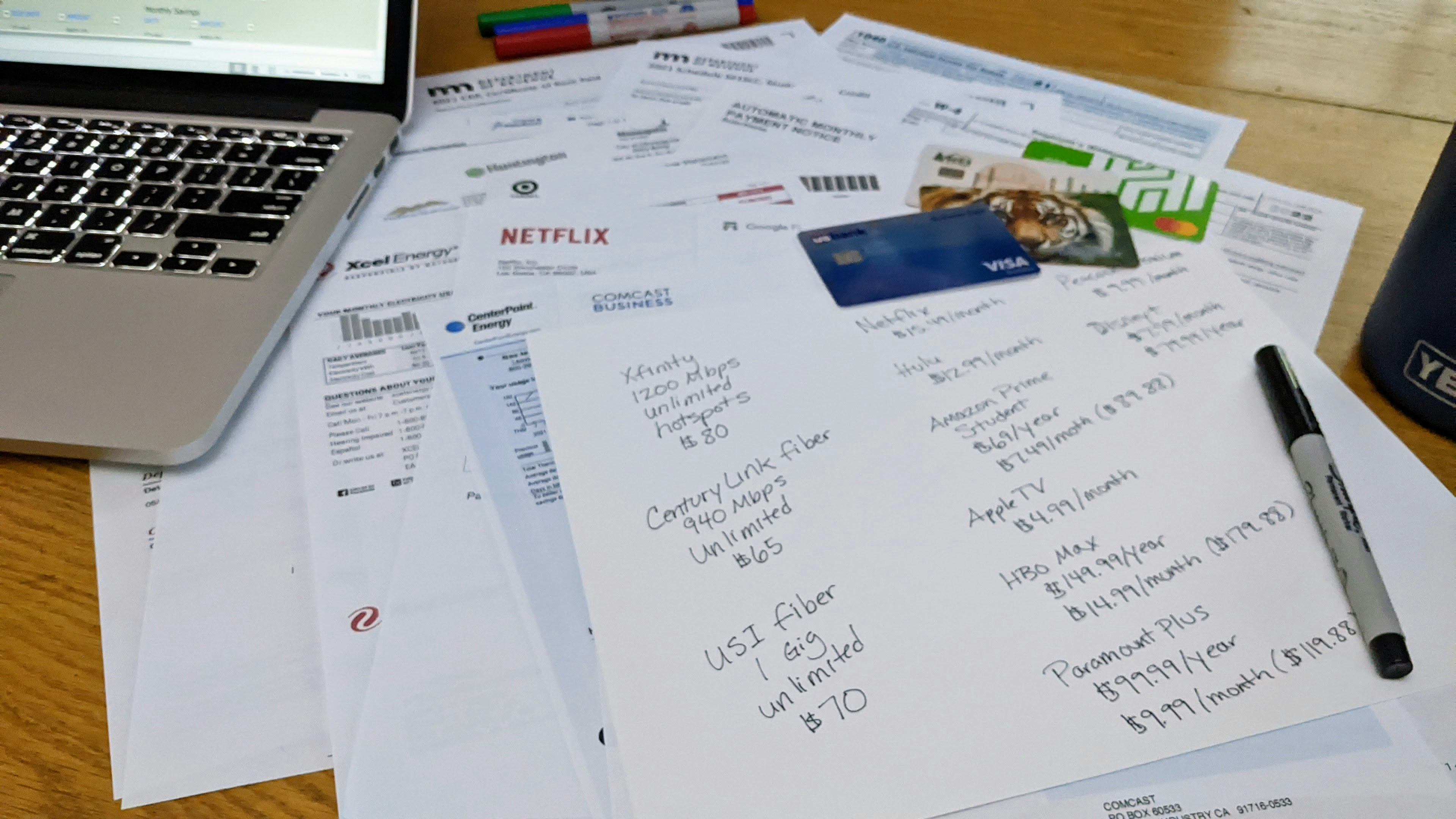
Keeping a log of all your trial subscriptions is another vital practice. Documenting each service you have signed up for—in terms of trial start dates and cancellation deadlines—can provide you with a clear overview of your commitments. Maintaining this type of financial log helps you manage multiple subscriptions and reduces the likelihood of falling into free subscription caution.
By implementing these strategies, individuals can navigate the complexities of free trials more effectively. Taking control of your subscription services not only aids in avoiding unexpected financial burdens but also promotes better overall management of your finances. It is essential to remain vigilant and aware of the terms associated with free trials, empowering yourself to enjoy their benefits without the risk of financial pitfalls.
Recognizing Red Flags in Subscription Services
When enrolling in a free trial for a subscription service, it is imperative to be aware of potential pitfalls that may arise. Many consumers fall into the trap of free trials, which can lead to unintended financial burdens if not approached with caution. Recognizing common red flags can help you avoid these subscription traps.
One of the primary warning signs to look out for is vague cancellation policies. If a service does not clearly outline how to cancel the subscription before the trial period ends, it raises concerns about the company’s transparency. A legitimate provider will typically ensure the cancellation process is straightforward and communicated clearly. If you find yourself navigating a maze-like cancellation feature, it might be best to reconsider your subscription.
Another aspect to consider is the clarity of billing information. Subscription services should provide clear and easily accessible information regarding costs, including details about automatic billing post-trial. If the site is ambiguous about charges or lacks a well-defined pricing structure, proceed with caution. Transparency regarding future billing reinforces trust, while obscurity could lead to unforeseen financial liabilities.
Moreover, aggressive marketing tactics can often signal a service that prioritizes profit over customer satisfaction. If a company employs high-pressure sales techniques or bombards you with upsell offers during the free trial, this indicates a potential red flag. Responsible subscription services will allow you time to evaluate their offerings without feeling rushed or pressured.
In summary, by scrutinizing cancellation policies, assessing billing clarity, and observing marketing strategies, consumers can better protect themselves from free subscription caution pitfalls. Paying close attention to these factors can enhance your ability to make informed decisions and ultimately ensure a more positive experience with subscription services.
Consumer Rights and Protections
In the realm of subscription services, understanding consumer rights is paramount for individuals navigating the sometimes murky waters of free trials and automatic renewals. When consumers engage with such services, especially those promoted as free trials, they are often subject to a myriad of terms and conditions that can lead to unexpected charges if not carefully monitored. Consumer protection laws exist to safeguard individuals against deceptive marketing practices that can occur in these scenarios.
One significant aspect of consumer rights in relation to subscription services is the right to cancel. Many jurisdictions mandate that companies must provide clear and accessible cancellation policies. This means that consumers are entitled to cancel their subscription at any time, often without incurring any penalties or fees, particularly during a free trial period. Understanding these cancellation rights helps mitigate the financial risks associated with free trials and aids in avoiding the so-called free trial traps.
Moreover, in certain instances where a consumer feels misled, they can seek recourse through refunds. Legal protections, such as those laid out in various consumer protection laws, allow consumers to challenge unauthorized charges and seek reimbursement if they did not consent to continued payments post-free trial period. It is essential for consumers to document any communication with subscription services regarding cancellations and refunds, as this information can be crucial in asserting one’s rights.
In essence, being informed about these consumer rights and the protections available when engaging with subscription services can thwart potential pitfalls. As individuals learn to navigate the complexities of finance options associated with free subscriptions and the potential for hidden charges, they become better equipped to protect themselves from falling into free trial traps. Awareness of rights isn’t just beneficial; it is integral for maintaining financial health in an increasingly subscription-driven market.
Moving Forward: Building Better Spending Habits
In today’s economy, where numerous services proliferate under the guise of free trials, it becomes imperative to develop better spending habits that safeguard personal finance. Understanding the implications of free subscription offerings and their potential pitfalls is essential for maintaining financial health. One effective strategy involves creating a detailed budget that accounts for all recurring payments, including any subscriptions that may have initially seemed appealing but later became burdensome.
To implement this budget effectively, individuals should regularly review their subscriptions and categorize them based on necessity and utility. By tracking expenses meticulously, one can identify unnecessary subscriptions that may be draining resources. For instance, if a service offers a free trial, setting a reminder to cancel before the trial period ends can prevent unwanted charges, allowing individuals to adhere to their financial planned aspirations.
Moreover, discerning when to opt for a subscription as opposed to a pay-per-use model can also drastically impact financial stability. In many cases, a one-time purchase can be more cost-efficient than committing to ongoing payments for a service that is infrequently utilized. By analyzing personal consumption patterns and aligning them with spending habits, individuals can make informed financial choices that avoid the traps laid by enticing subscription models.
Education plays a key role when it comes to understanding the fine print of service agreements. Developing financial literacy will empower consumers to navigate the current landscape saturating the market with subscription services. Resources such as personal finance blogs, online courses, and financial advisories can provide clarity and guidance in this arena. Being proactive about one’s spending is the cornerstone of financial health and will ultimately combat the pervasive influences of free trial traps. By cultivating these skills, individuals can not only avoid pitfalls associated with subscriptions but also foster a more sustainable relationship with their finances.