Understanding Buy Now, Pay Later (BNPL)
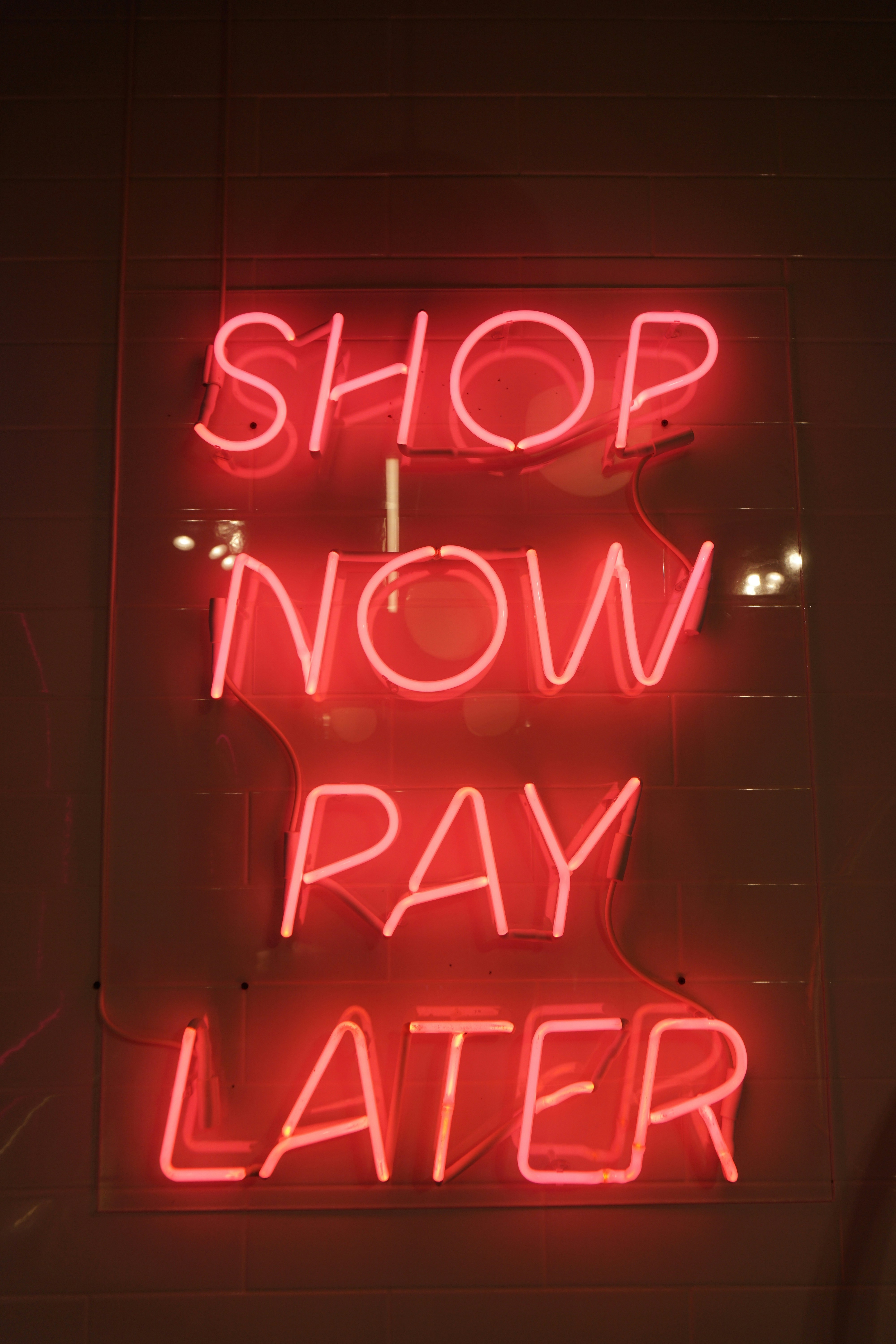
Buy Now, Pay Later (BNPL) services have gained significant traction in the consumer finance landscape, offering shoppers the ability to make purchases without the immediate burden of upfront payments. Essentially, these services allow consumers to buy products and defer payments over a set period of time. This financing option appeals particularly to those seeking budget flexibility, enabling them to enjoy the benefits of a purchase while spreading the financial impact over weeks or months.
The fundamental principle behind BNPL transactions is straightforward: consumers select a product, choose a BNPL payment plan at checkout, and complete the purchase without immediate payment requirements. The transaction is facilitated by the BNPL provider, which pays the retailer up front, allowing the consumer to enjoy their purchase while committing to a repayment plan. The simplicity of this model significantly contributes to its popularity, particularly among younger shoppers who favor convenience in their buying experiences.
Additionally, BNPL services have been designed to enhance the purchasing process, presenting a user-friendly interface that often involves just a few clicks. Many consumers appreciate the transparency associated with these plans since they usually come without hidden fees, provided the payments are made on time. However, while the appeal of BNPL may appear attractive, it is essential to weigh the implications of incurring debt without immediate repercussions. The ease of access to such financial products can lead to overspending and potential financial difficulties, making it imperative for consumers to approach such financing options with caution.
The Allure of Flex Pay: Convenience or Trap?
The rise of “buy now, pay later” (BNPL) services has fundamentally altered the landscape of consumer finance, presenting an intriguing yet potentially perilous option known as Flex Pay. These options draw consumers in with promises of instant gratification and convenience, allowing shoppers to purchase items without the immediate burden of full payment. The inherent appeal lies in the ability to defer payments over a set period, which may seem manageable at first glance.
Psychologically, this delayed payment model can trigger a sense of freedom in spending. Consumers might experience a reduction in guilt associated with purchases because the financial impact is postponed. According to a recent study, approximately 55% of users of BNPL services report feeling less stressed about their finances when using these platforms, illustrating how the convenience of deferring payments creates a false sense of security.
However, this seemingly advantageous approach can lead to unintended consequences. As individuals are lured into making frequent purchases with the safety net of Flex Pay, there can be a propensity to overextend their finances. Research reveals that nearly 40% of BNPL users have missed a payment, leading to additional fees and increased overall debt. The comfort of paying later often masks the reality of long-term financial implications. This desensitization to spending incrementally can kindle a cycle of reliance on credit that many consumers struggle to escape.
Furthermore, the ease of accessing multiple BNPL platforms exacerbates the challenge. Each service often comes with varying terms and conditions, making it difficult for users to track their overall financial commitment. In light of these factors, consumers must critically evaluate their spending habits, recognizing that while Flex Pay offers immediate gratification, it may also become a trap, ultimately jeopardizing financial stability.
Hidden Costs and Consequences of BNPL Debt
The increasingly popular buy now, pay later (BNPL) schemes present consumers with the allure of immediate purchase power without the burden of upfront payments. However, the hidden dangers associated with BNPL debt can manifest in several concerning ways. One of the primary issues is the high-interest rates that can accompany these payment plans. Many BNPL providers offer promotional periods with no interest; however, once this period expires, consumers may face steep interest rates that can quickly escalate the overall cost of their purchases.
In addition to interest charges, fees for missed payments are common in buy now, pay later arrangements. Consumers often underestimate the financial commitment required to meet the installment due dates. Should a payment be missed, substantial fees may be incurred, compounding the debt and leading to even greater financial strain.
The rapid accumulation of debt is particularly alarming. Unlike traditional credit cards that may have established credit limits, BNPL allows consumers to make multiple purchases across various retailers, often in a manner that is not easily tracked. This can lead to a situation where an individual finds themselves juggling several repayments at once, making it challenging to keep up. As debts pile up, the implications for personal finance become dire, potentially harming long-term financial health.
Moreover, falling behind on BNPL payments can significantly impact credit scores. Since many BNPL companies report to credit bureaus, missed payments can lead to negative entries that affect a consumer’s overall credit health. This, in turn, can hinder future borrowing capabilities and lead to increased costs whenever consumers need additional financing.
Ultimately, while buy now, pay later options may seem convenient, it is crucial for consumers to comprehend the full scope of the risks involved. Understanding the possibility of high-interest charges, penalties for late payments, and the potential deterioration of credit scores is essential for making informed financial decisions. The prudence in managing BNPL debts can determine whether they serve as a helpful tool or a detrimental burden.
Staying Vigilant: Tips to Avoid BNPL Pitfalls
As the popularity of Buy Now, Pay Later (BNPL) services continues to rise, it becomes increasingly essential for consumers to navigate these financial tools with caution. While BNPL can offer convenience, it can also lead to significant financial strain if not managed properly. Here are some practical strategies to help consumers avoid the potential pitfalls of BNPL arrangements.
Firstly, effective budgeting is key when utilizing any form of credit, including BNPL services. Consumers should evaluate their monthly income and expenditures before committing to a buy now, pay later plan. A detailed budget allows for a clear understanding of how much can be allocated towards repayments without compromising other essential expenses. Additionally, it is vital to track all BNPL purchases along with their due payment dates to avoid missing deadlines, which can lead to extra fees and damage to credit scores.
Understanding the terms and conditions associated with BNPL agreements is also crucial. Before agreeing to any service, consumers must read the fine print, paying attention to any interest rates, late fees, or penalties that may apply. This knowledge empowers individuals to make informed decisions about whether they can realistically meet the repayment terms without incurring additional debt.
Moreover, it is important to recognize scenarios when it may be best to refrain from using BNPL options. If a purchase can strain one’s finances or if it leads to increased impulsive buying, it is advisable to reconsider. Relying on BNPL can foster a cycle of debt, as consumers may think they can manage more purchases than they realistically can.
In conclusion, the key to using Buy Now, Pay Later services responsibly lies in adopting mindful spending habits. By budgeting effectively, understanding agreements, and recognizing when to act prudently, consumers can enjoy the benefits of BNPL while minimizing the risk of falling into a debt trap.