Understanding Slow Fitness and Restorative Movement
In recent years, there has been a notable shift in fitness trends, moving away from the high-octane, high-intensity workout programs synonymous with high-intensity interval training (HIIT). At the forefront of this evolution is the concept of slow fitness and restorative movement, which prioritize not only physical well-being but also mental health. These practices emphasize a mindful approach to movement, contrasting sharply with the often frantic pace of traditional fitness routines.
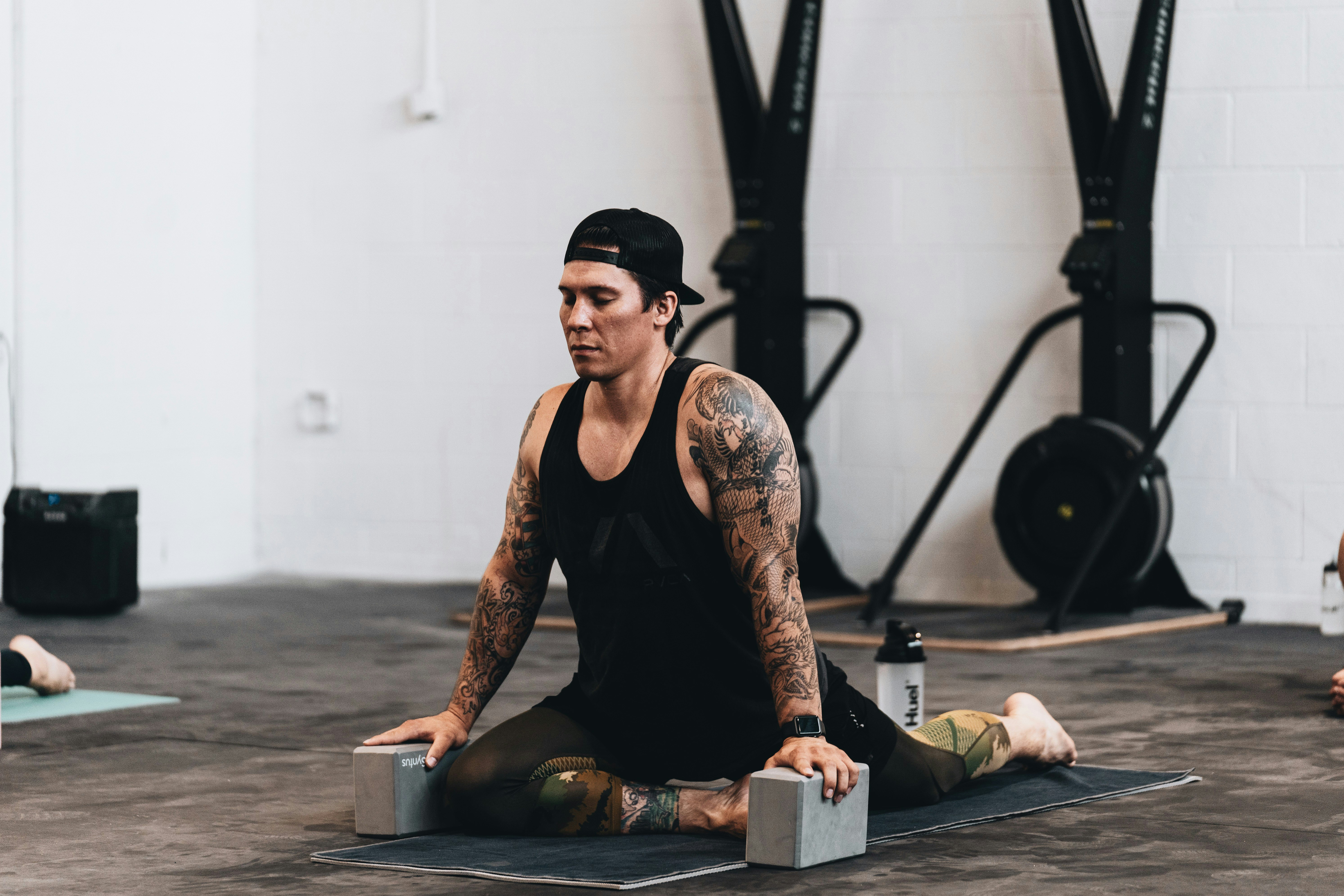
Slow fitness can be defined as a methodology that values gradual and deliberate movements, allowing individuals to connect deeply with their bodies. This approach focuses on developing body awareness, improving flexibility, and enhancing mental clarity through gentle exercise forms such as yoga, tai chi, and Pilates. Unlike HIIT, which usually involves short bursts of maximum effort followed by recovery periods, slow fitness encourages participants to listen to their bodies and move at a pace that feels natural to them.
Restorative movement shares a similar philosophy, emphasizing relaxation and recovery over exertion. It encompasses practices designed to restore balance and alleviate stress, promoting both physical and psychological healing. Activities within this domain are often characterized by slow movements, extended holding of postures, and a focus on breath control. These practices have garnered attention as essential tools for managing mental health, as they inherently support stress reduction and mindfulness.
Historically, the fitness industry has often celebrated intensity and endurance as markers of success, but there is a growing recognition of the adverse effects this can have on mental health. The high-stakes culture surrounding fitness can contribute to stress and anxiety rather than alleviate it. The shift towards slow fitness and restorative movement denotes a promise of balance, offering individuals a means to achieve physical health in tandem with positive mental well-being. As more people embrace these gentle practices, they uncover the profound impact mindful movement can have on their overall quality of life.
The Science Behind Stress and Exercise
Exercise plays a pivotal role in mental health, especially in combating stress. The relationship between different types of physical activity and stress levels has been the subject of various studies. Research indicates that low-impact and restorative exercises, such as yoga and tai chi, significantly contribute to reducing stress, anxiety, and depression. These forms of exercise are characterized by their gentle movements and mindful practices, which encourage relaxation and promote emotional well-being.
Scientific findings suggest that engaging in low-intensity workouts can diminish stress hormone levels in the body. For instance, yoga has been shown to lower cortisol levels, the hormone primarily involved in the body’s stress response. Participants in yoga classes often report feeling calmer and more centered after sessions, which underscores the positive impacts on mental health.
In contrast, more intense and high-impact workouts, while beneficial for physical fitness, can sometimes exacerbate feelings of stress and anxiety, particularly if individuals exert themselves too much or do not allow adequate time for recovery. The adrenaline rush associated with high-intensity exercise can lead to a temporary high, but it may also result in increased feelings of tension and anxiety if not balanced with restorative practices.
Recent studies highlight that incorporating restorative movement can reduce symptoms of anxiety and depression more effectively than traditional intense workout regimens. For individuals seeking to maintain a healthy mental state, prioritizing activities that promote relaxation through gentle movement can lead to substantial improvements in overall mental health. Furthermore, understanding the science behind how these low-impact exercises affect the brain and body can empower more individuals to participate in activities that positively influence their mental well-being.
Benefits of Restorative Movement for Mental Health
Restorative movement encompasses various low-intensity physical activities that focus on relaxation, mindfulness, and intentional movement. This approach to fitness has gained traction as a means to bolster mental health and overall well-being. One of the primary benefits of restorative movement is its role in enhancing mindfulness. Engaging in activities such as yoga, tai chi, or gentle stretching encourages individuals to become more aware of their bodies and their surroundings. This increased mindfulness can significantly reduce stress, helping to cultivate a more peaceful mental state.
Moreover, slow fitness practices promote emotional regulation by providing tools to manage stress and anxiety. The gentle nature of restorative movement allows practitioners to connect with their emotions in a safe and supportive environment. Research has shown that regular participation in such activities can lead to lower levels of anxiety and depression. By fostering emotional awareness, individuals can learn to navigate their feelings more effectively and develop healthier coping strategies.
Numerous personal testimonials and case studies highlight the positive impact of restorative movement on mental health. Participants often report feelings of calm and clarity after engaging in these practices. Experts in the field of psychology and wellness frequently advocate for incorporating restorative exercises into daily routines as a preventive measure against mental health issues. The community aspect of classes and group activities can also provide valuable social support, further enhancing one’s emotional resilience.
In essence, the integration of restorative movement into one’s lifestyle can significantly contribute to improved mental health. From fostering mindfulness to promoting emotional regulation, the benefits are multifaceted and supportive of an overall ethos of well-being. As awareness of mental health continues to grow, restorative practices are emerging as vital components of a holistic approach to health.
Incorporating Slow Fitness into Your Routine
Integrating slow fitness and restorative movement into your daily regimen can significantly contribute to your mental health. This approach does not necessitate a complete overhaul of your existing exercise routine but can be blended seamlessly with high-intensity workouts to maximize benefits. Start by selecting a few restorative exercises that resonate with you; popular options include yoga, tai chi, and gentle stretching. Each of these activities promotes not only physical flexibility but also mental relaxation.
Creating a restorative routine involves dedicating specific times during your week to practice these slow movement exercises. You may allocate as little as fifteen to thirty minutes per day, focusing on mindfulness and breathwork during these sessions. This can be particularly beneficial in helping to alleviate stress and enhance overall well-being. Try scheduling these sessions at times when you typically feel fatigued or stressed, as they can serve as effective mental health breaks.
Listening to your body’s signals is crucial when implementing slow fitness. Pay attention to how your body responds to different movements, and adjust your routine accordingly. If a certain pose or exercise feels uncomfortable, modify it or try an alternative. Observing these signals can help you foster a deeper connection with your body and improve your overall fitness experience.
Moreover, you can blend slow fitness with your current high-intensity training by incorporating active recovery days. On these days, focus on restorative movements to aid recovery and prevent burnout. Activities like gentle walking or restorative yoga can provide much-needed contrast to your more demanding workouts, ensuring that your mental health is prioritized alongside physical fitness. By adopting this balanced approach, you enhance not only your physical condition but also nurture your mental well-being, making slow fitness an essential component of a holistic fitness routine.