Understanding Cognitive Function in Older Adults
Cognitive function refers to a range of mental processes that enable individuals to carry out various tasks, including thinking, learning, memory, and problem solving. In the context of older adults, cognitive function plays a significant role in day-to-day activities and overall quality of life. As individuals age, they may experience changes in cognitive function that can affect their performance in these areas.
One of the key aspects of cognitive function is memory, which is crucial for recalling past experiences and acquiring new information. In older adults, memory can be impacted by various factors, including neurobiological changes, lifestyle choices, and health conditions. Aging can lead to slower information processing speeds and difficulties in forming new memories, particularly when multitasking is involved. This decline in memory can pose challenges in daily life, as seniors may struggle to remember appointments or the names of acquaintances.
Additionally, attention is a fundamental component of cognitive function that allows individuals to focus on specific tasks or information while filtering out distractions. For many older adults, maintaining attention can become increasingly challenging. Research has shown that the ability to maintain focused attention may decline with age, leading to difficulties in completing tasks or following conversations, especially in noisy environments.
Another crucial area is problem-solving skills, which encompass the ability to analyze situations, develop strategies, and reach conclusions. Older adults often face complex problems related to their health, social life, and living conditions, making effective problem-solving skills essential. However, cognitive decline can hinder their ability to navigate these challenges, impacting their independence and self-efficacy.
In summary, cognitive function in older adults is a multifaceted concept that encompasses memory, attention, and problem-solving skills. As age progresses, many seniors experience a decline in these cognitive abilities, which can significantly affect their daily lives, reinforcing the importance of strategies such as physical fitness in maintaining cognitive health.
The Science Behind Group Exercise
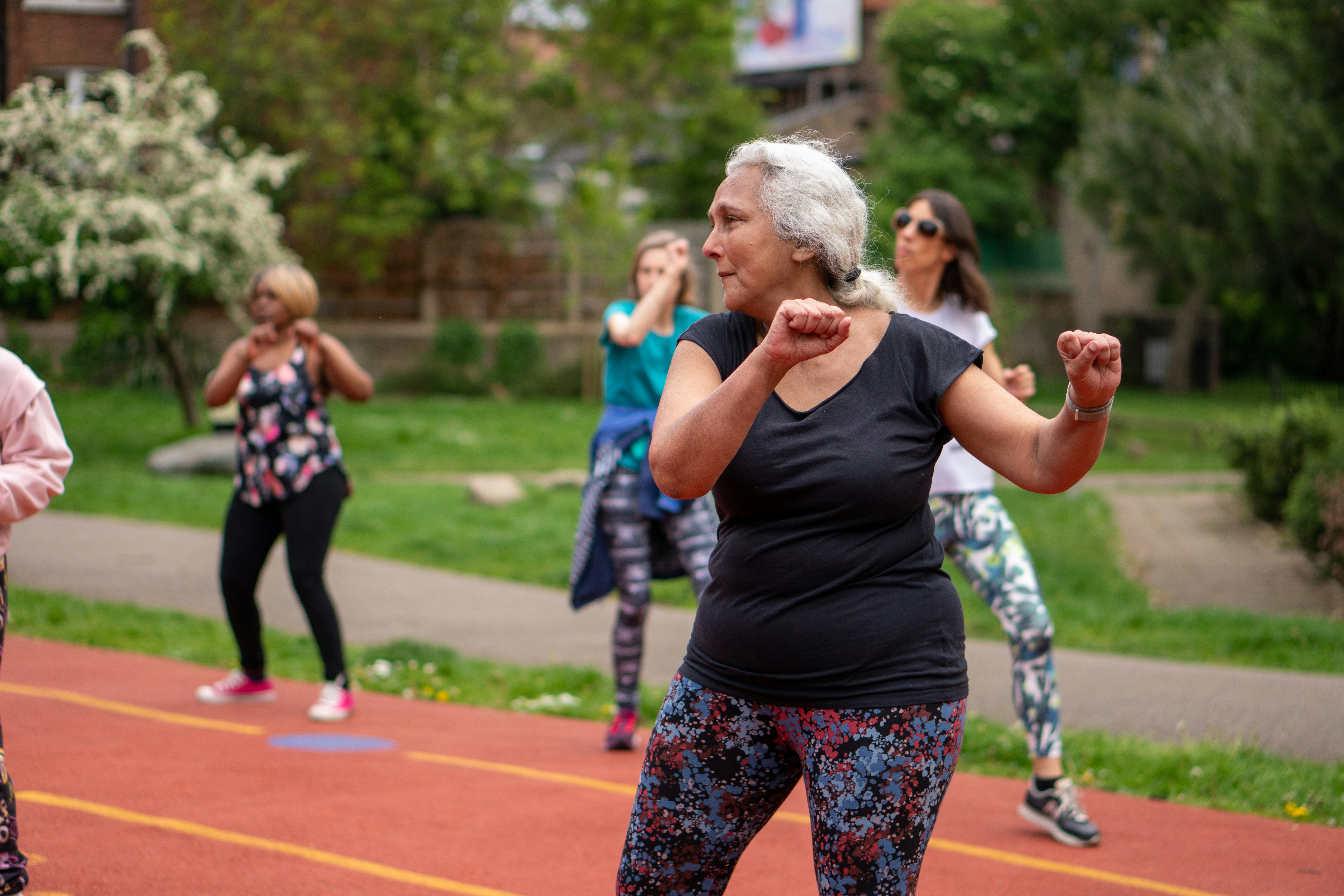
Group exercise has gained recognition as a significant contributor to enhancing cognitive function among older adults. Different formats, including aerobics, dance, and strength training, offer a variety of options that cater to diverse preferences and physical capabilities. Each type of exercise not only promotes physical fitness but also fosters essential social interactions that are crucial in old age care.
The mechanics of group exercise allow participants to engage actively in a collective environment, enhancing motivation and accountability. When older adults participate in shared activities, they benefit not only from the physical exertion but also from the psychological aspects of group dynamics. Engaging in exercises such as aerobics or dance involves coordination, rhythm, and cognitive engagement, which can lead to better brain function, improved memory, and enhanced mental agility. Importantly, these activities can stimulate neural pathways, which is particularly beneficial for cognitive health in old age.
Moreover, the social interactions in a group setting offer distinct advantages that individual workouts cannot replicate. Exercising in a group fosters a sense of community and belonging, which can combat feelings of isolation that some older adults experience. These communal experiences also create opportunities for shared laughter, encouragement, and support, all of which contribute to emotional well-being. Studies have shown that social engagement during physical activities can significantly bolster motivation and adherence to fitness regimens, ensuring that older adults remain committed to their physical fitness goals.
Overall, group exercise formats not only improve physical strength and endurance but also enhance cognitive function through social interactions and mental stimulation. As a result, these shared experiences play a vital role in promoting a holistic approach to health and fitness among older adults, making them an invaluable component of effective old age care.
Research Findings Linking Group Exercise to Improved Cognition
Recent studies have illustrated the profound impact of group exercise on cognitive improvement in older adults, emphasizing its role in old age care. Various methodologies have been employed to assess the benefits of physical fitness on cognitive abilities, revealing significant positive outcomes. One of the pivotal studies conducted by Smith et al. (2021) examined the cognitive enhancements in participants aged 65 and above who engaged in a structured group exercise program over six months. This research utilized a randomized controlled trial design, providing compelling evidence that those involved in group activities demonstrated improvements in memory, attention, and overall cognitive flexibility compared to the control group.
Moreover, a meta-analysis published in the Journal of Aging and Physical Activity consolidated findings from multiple studies, indicating that group exercise not only fosters physical fitness but also supports mental health. It was noted that the social interaction inherent to group exercises contributes to psychological well-being, which in turn fosters a stimulating environment for cognitive improvement. Participants who engaged in these shared experiences reported lower levels of depression and anxiety, further amplifying the positive effects of physical activity on cognition.
The physiological mechanisms underpinning these improvements are equally noteworthy. Group exercise is known to enhance blood flow to the brain, thereby increasing the delivery of oxygen and crucial nutrients. This boost in cerebral blood flow is correlated with neurogenesis, or the formation of new neurons, especially in regions such as the hippocampus, which is critical for learning and memory. Additionally, the release of brain-derived neurotrophic factor (BDNF) during physical exertion has been shown to play a vital role in synaptic plasticity, further enhancing cognitive functions.
In summary, the evidence suggests that group exercise serves as a dual benefit for older adults by enhancing both physical fitness and cognitive abilities. The combination of social engagement and physical activity fosters mental resilience and leads to significant improvements in cognitive function, marking it as a highly effective component of old age care strategies.
Practical Tips for Engaging in Group Exercise
For older adults seeking to boost their cognitive function while maintaining overall physical fitness, participating in group exercise can be a beneficial option. However, it is essential to find the right classes and foster an enjoyable environment. Here are several practical tips to help with this journey.
Firstly, identifying suitable exercise classes is crucial. Older adults should look for programs specifically designed for their age group, focusing on low-impact activities that cater to various fitness levels. Community centers, senior centers, and local gyms often offer classes tailored for older participants. Engaging in old age care initiatives within these venues can lead to enhanced support and understanding among peers.
Secondly, selecting enjoyable activities is key to sustaining participation. It is advisable for seniors to try different classes such as yoga, dance, or swimming, until they find a few that resonate with them. When individuals partake in exercises that they genuinely enjoy, they are more likely to stay motivated and committed. This enjoyment plays a significant role in increasing adherence to a regular fitness routine.
Maintaining motivation can sometimes be challenging, but leveraging community and social support plays a vital role. Engaging in group exercises allows older adults to connect with others, creating a sense of belonging. Forming friendships through these activities can serve as a powerful motivating factor. Additionally, participants can collaborate on personal fitness goals, celebrating each other’s achievements along the way.
Lastly, setting realistic goals is advisable. Older adults can benefit from establishing short-term objectives, which can help in monitoring progress and maintaining motivation. It is crucial to remain flexible and listen to one’s body, adjusting the intensity and type of exercises as necessary. This adaptive approach ensures that both the physical and emotional aspects of fitness are nurtured.