Understanding AI Health Coaches
AI health coaches represent a significant innovation in the realm of personal health and fitness. These digital tools leverage advanced technologies, such as machine learning and data analytics, to offer tailored health coaching solutions. Unlike traditional personal trainers, AI health coaches operate through algorithms that analyze user data, adapt to individual preferences, and provide personalized guidance.
The core functionality of AI health coaches involves collecting and interpreting various data points, including users’ exercise routines, dietary habits, and health metrics. This data is processed using machine learning models, which learn from user interactions to enhance the quality and relevance of the advice they provide. By evaluating patterns over time, these systems can make informed recommendations that motivate users to achieve their fitness goals.
There are various models of AI utilized in health coaching, ranging from rule-based systems to more sophisticated neural networks. Rule-based models operate on predefined conditions and responses, while neural networks can identify complex patterns and improve over time through deep learning techniques. This technological diversity allows AI health coaches to address a wide array of fitness-related needs, from weight management to personalized workout planning.
The primary objectives of AI health coaches include improving users’ understanding of fitness and health concepts, encouraging sustainable changes in lifestyle, and fostering accountability. By providing quick access to information and guidance tailored to users’ specific situations, AI health coaches strive to empower individuals to take charge of their well-being, thus complementing or, in some cases, replacing the role of a personal trainer.
The Advantages of AI Health Coaching
As technology continues to evolve, the emergence of AI health coaches presents significant advantages in the realm of personal health and fitness. One of the main benefits is accessibility. Unlike traditional personal trainers, who may have limited availability based on their schedules and locations, AI coaches are available 24/7. This allows users to access personalized training plans whenever they need them, offering an unprecedented level of convenience.
Additionally, the cost-effectiveness of AI health coaches cannot be overlooked. Hiring a personal trainer can be quite expensive and is often not feasible for many individuals. In contrast, AI-driven platforms typically offer subscription-based services that reduce the financial barrier to receiving quality fitness guidance. This democratization of personal training means that more people can benefit from customized workouts and nutrition advice without breaking the bank.
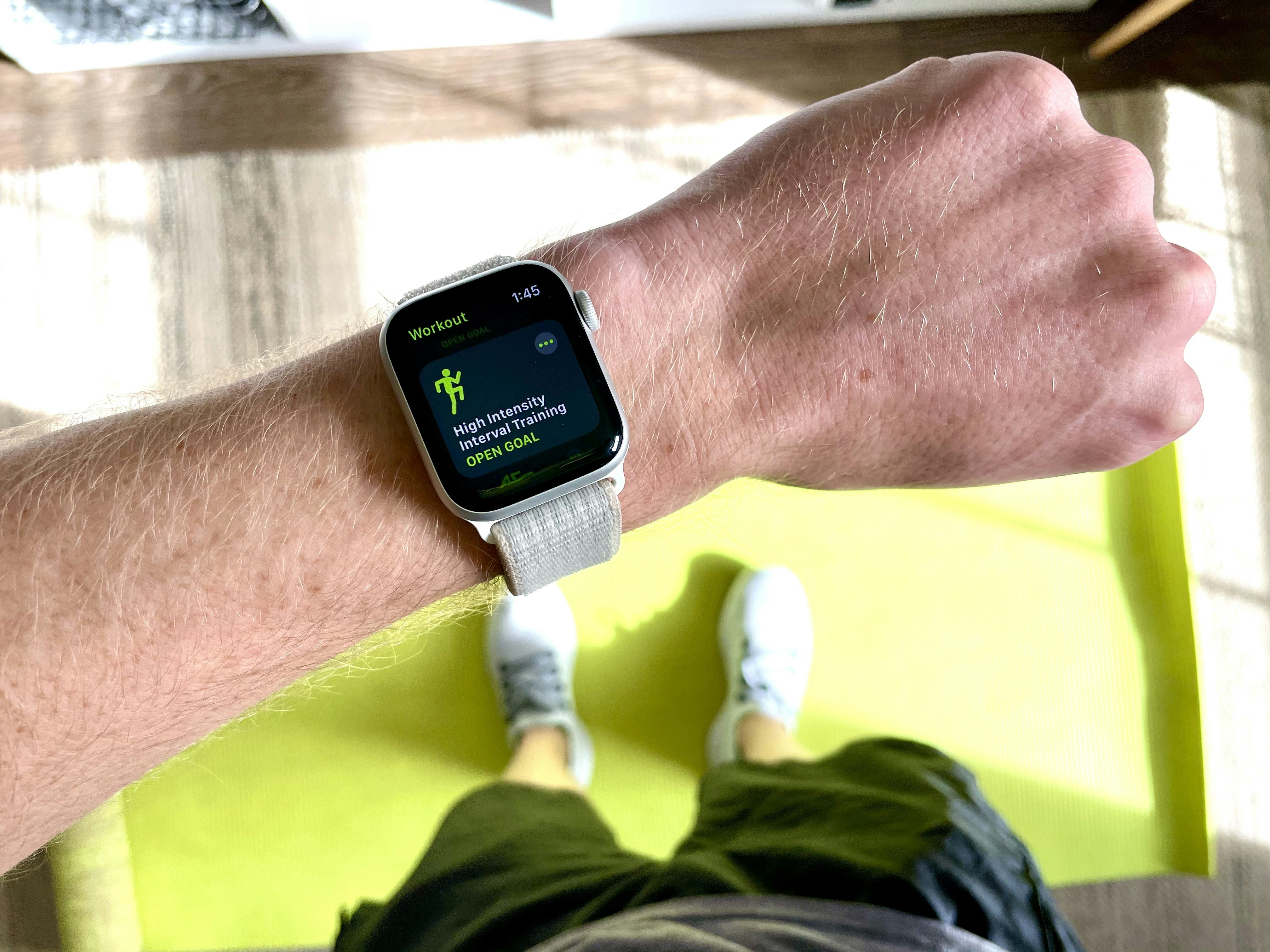
Moreover, the capacity for personalization in AI health coaching is remarkable. Advanced algorithms analyze users’ progress and adapt training plans to fit their evolving fitness levels. This real-time feedback helps individuals stay on track and motivated, ensuring that their workout routines are tailored to their specific needs. By utilizing data such as heart rate, workout history, and user feedback, AI coaches can create a dynamic fitness environment that may surpass the static nature of traditional training sessions.
Furthermore, AI health coaches utilize various metrics to measure performance, enabling them to generate detailed reports that outline a user’s progress. This analytical capability aids in setting achievable goals and benchmarks, fostering continuous improvement. The ability of AI to act on vast amounts of data means it can provide insights that personal trainers might overlook, facilitating a more effective fitness journey.
Limitations and Challenges of AI in Health Coaching
Despite the growing influence of AI health coaches in the personal health and fitness sectors, significant limitations and challenges remain. One of the foremost issues is the lack of personal connection that often comes with traditional personal training. Many individuals require a motivational presence and a human touch to inspire significant lifestyle changes. While AI can provide tailored fitness programs and reminders, it may struggle to replicate the emotional support and understanding that a human trainer offers.
Furthermore, AI health coaches may face difficulties in understanding emotional nuances. A personal trainer can discern when a client is experiencing frustration, fatigue, or stress and can adapt their approach accordingly. This level of emotional intelligence is currently well beyond the capabilities of AI systems, which rely on algorithms and data rather than emotional comprehension. Hence, when users encounter psychological barriers to their fitness goals, an AI may not be equipped to offer the necessary empathy or adjusted strategies that a human coach would provide.
Another challenge is ensuring user compliance with the fitness plans that AI health coaches develop. While these programs may be scientifically backed, the adherence rates can be lower than expected. Users may disengage from their routines without the consistent encouragement and accountability that a personal trainer can instill. Moreover, there are critical concerns regarding data privacy. Users must trust that their personal information is securely handled and not exploited, especially as AI systems often require substantial amounts of data to function effectively.
Finally, biases in AI algorithms can lead to inequality in the fitness outcomes for different users. If the data sets used to train these systems are not diverse, they may inadvertently perpetuate stereotypes or fail to recognize the unique needs of various populations. As a result, while AI health coaches represent a significant advancement in personal health technology, these limitations must be carefully considered to ensure effective and equitable fitness coaching solutions.
The Future of Personal Training: AI vs. Human Coaches
The advent of technology has significantly impacted various industries, and personal training is no exception. As the landscape of fitness continues to evolve, the question arises: can AI health coaches truly replace human personal trainers, or will they serve as complementary tools in the realm of personal health and fitness? This exploration delves into the potential roles both AI and human coaches may play in the future.
Artificial intelligence has made strides in numerous fields, and the fitness sector is harnessing these advancements. AI health coaches can provide personalized fitness plans and nutritional advice based on user data and preferences. They are equipped to analyze large datasets, which can allow for diverse recommendations tailored to individual goals. However, while AI can optimize many aspects of a fitness routine, it currently lacks the human element that personal trainers offer.
Human personal trainers bring essential qualities to the table, such as empathy, motivation, and the ability to adjust workouts on-the-fly based on real-time feedback. They possess the interpersonal skills necessary to build rapport, instill confidence, and inspire clients to push through physical and mental barriers. In contrast, AI health coaches, despite their technological prowess, may struggle to replicate these nuanced human interactions.
Looking ahead, the most effective approach may blend both AI and human coaching, creating a hybrid model. In such a scenario, AI health coaches can handle data analysis and routine planning, while personal trainers focus on motivation and emotional support. This combination could enhance personal health outcomes by utilizing the strengths of both parties effectively. As we navigate the future of personal training, the synergy between technology and humanity could pave the way for improved fitness solutions that meet diverse consumer needs.