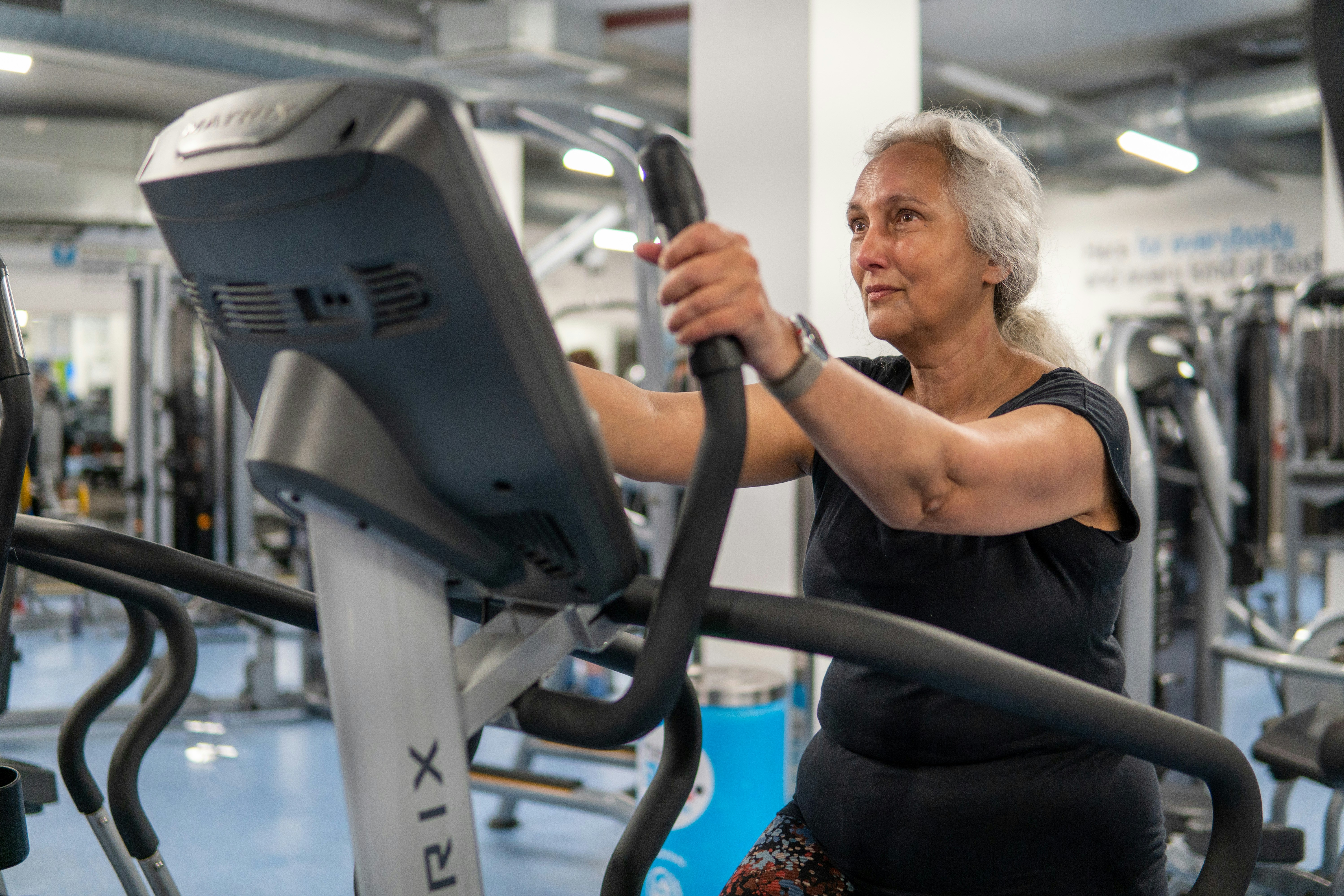
Understanding the Benefits of Exercise for Seniors
Regular exercise is essential for seniors, contributing significantly to their overall health and well-being. Engaging in physical activity can lead to numerous physical benefits, including improved mobility and increased muscle strength. As individuals age, muscle mass tends to decline; however, consistent exercise can help mitigate this effect, enabling older adults to maintain their independence and perform daily activities more easily.
Moreover, exercise is vital to enhancing cognitive function in seniors. Research indicates that regular physical activity promotes better blood flow to the brain, which is essential for maintaining cognitive health. It has been associated with a reduced risk of cognitive decline and conditions such as dementia. Keeping both the body and mind active is crucial, as it helps older adults remain engaged and alert.
Additionally, mental health is significantly impacted by exercise. For many seniors, feelings of loneliness and depression can be prevalent, but participating in exercise programs can foster a sense of community among participants. Group classes or team activities not only provide physical fitness but also social interaction, which can positively influence mood and emotional well-being. In fact, regular participation in these types of activities has been shown to reduce feelings of isolation and enhance overall life satisfaction.
In conclusion, the importance of exercise for seniors cannot be overstated. The multifaceted advantages—including improved physical health, cognitive function, and emotional stability—highlight the necessity of incorporating regular exercise into the daily lives of older adults. By doing so, seniors can enjoy healthier, more fulfilling lives while maintaining their independence and social connections.
Types of Fitness Programs Suitable for Older Adults
Exercise is essential for older adults to maintain their health, enhance their quality of life, and promote independence. To meet the diverse needs of seniors, various types of fitness programs can be recommended. These programs often include strength training, flexibility workouts, balance exercises, and cardiovascular activities, each tailored to accommodate individual abilities and health conditions.
Strength training is particularly beneficial for older adults as it helps build muscle mass, which typically decreases with age. Engaging in resistance exercises with light weights or resistance bands can improve overall strength, making daily tasks easier and reducing the risk of falls. Additionally, strength training contributes to better bone health, which is crucial for preventing osteoporosis.
Flexibility workouts are another important component of fitness for seniors. Stretching exercises improve the range of motion in joints and can alleviate stiffness related to aging. Gentle yoga or tai chi classes can enhance flexibility while also promoting relaxation and mental well-being. These activities not only support physical health but also encourage social interaction among participants.
Balancing exercises are vital for older adults, as they help reduce the risk of falls, a common concern in this age group. Simple balance routines, such as standing on one foot or heel-to-toe walking, can significantly enhance stability and coordination. Many fitness programs for seniors include specific sessions focused on balance training.
Lastly, cardiovascular activities, such as walking, swimming, or cycling, are recommended to improve heart health and endurance. These exercises can be easily modified based on individual fitness levels, allowing seniors to enjoy the benefits without overexertion. Incorporating moderate-intensity aerobic exercises into regular routines encourages better circulation and overall fitness.
Incorporating a mix of these exercises into a fitness program creates a balanced approach to health that caters to the unique needs of older adults. It is essential for seniors to consult healthcare professionals or fitness experts when starting a new program to ensure safety and maximum benefits.
Creating a Safe Exercise Environment for Seniors
Ensuring a safe workout environment is critical for older adults participating in fitness programs. Various factors must be taken into account, beginning with the equipment used. Exercise equipment should be well-maintained and appropriate for the users’ physical capabilities. It is vital to ensure that all gear, such as weights, exercise mats, and machines, are in sound condition and suitable for senior use to minimize the risk of injury. Regular inspections and maintenance can help prevent accidents related to faulty or unsafe equipment.
Footwear plays a crucial role in overall safety during exercise. Older adults should wear shoes that provide adequate support and grip. Proper footwear reduces the likelihood of falls, a common concern among seniors, especially during balance-intense activities. The shoes should fit well, offering both comfort and stability. A visit to a store specializing in senior fitness apparel can be beneficial to find the correct kind of footwear that suits individual needs.
Another important consideration is modifying exercises to accommodate the specific needs of older adults. It is essential to take into account mobility and strength limitations when designing a fitness program for seniors. Modifications can vary from adjusting the intensity of a workout to replacing high-impact exercises with lower-impact alternatives. This approach helps in preventing injuries and promotes a sustainable fitness regimen that encourages participation without overexertion.
Additionally, creating a designated workout space free from distractions is essential. A clean, clutter-free environment can help seniors focus on their exercises and reduce the risk of trips and falls. Proper lighting enhances visibility, which is especially important for those with vision impairments. Incorporating the input of seniors regarding their preferences for the workout space can also yield positive outcomes, making them feel more comfortable and engaged in their fitness journey.
Overall, by focusing on equipment safety, appropriate footwear, exercise modifications, and the environmental setup, fitness programs for older adults can be both effective and safe, fostering a healthier lifestyle for seniors.
The Role of Group Classes and Community Programs
Group fitness classes and community programs tailored for older adults offer numerous advantages that contribute significantly to their overall health and well-being. One of the most notable benefits of these classes is the opportunity for social interaction. Engaging in physical activities with peers facilitates the development of friendships, which can combat feelings of loneliness and isolation that are often experienced by seniors. This daily or weekly interaction can create a strong support network that encourages consistent attendance and engagement in fitness routines.
Motivation is another critical factor found in group settings. When seniors participate in group classes, they often feel a sense of camaraderie and shared purpose. This collective energy can be highly motivating, as participants encourage one another to push through challenging exercises or to simply show up regularly. In addition, the presence of an instructor provides professional guidance, ensuring that participants perform exercises safely and effectively. Having an expert available can increase confidence levels among seniors, making it easier for them to attempt new activities.
Accountability is yet another significant aspect that group fitness classes provide. Knowing that friends or peers are expecting them to attend a class can motivate older adults to maintain a consistent exercise regimen. This can be particularly beneficial for those who may struggle with self-motivation or have difficulty sticking to a routine when exercising alone. Community programs often incorporate various fitness modalities, such as aerobic exercises, strength training, and flexibility routines, ensuring that seniors can find classes that meet their individual interests and fitness levels. Overall, participation in group fitness classes not only promotes physical health but also enhances mental and emotional well-being by fostering a sense of belonging and community among older adults.
Incorporating Exercise into Daily Routines
Integrating physical activity into daily life is essential for older adults. Regular exercise offers numerous health benefits, including improved mobility, strength, balance, and mental well-being. To make physical activity a natural part of their routines, seniors can adopt various strategies that fit their lifestyles and preferences.
One effective way to incorporate exercise is through simple home workouts. Older adults can engage in stretching exercises, light strength training using household items, or even low-impact aerobic activities such as dancing or step-touch movements. These workouts can be done in the comfort of their homes, allowing them to exercise at their own pace and convenience. Additionally, seniors should consider utilizing online resources, including fitness videos tailored specifically for older adults, making it easier to follow guided routines.
Walking is another excellent activity that can be seamlessly integrated into daily life. Establishing a regular walking schedule, such as a brief walk after breakfast or dinner, can enhance overall fitness. Aiming for 20 to 30 minutes of walking most days of the week can vastly improve cardiovascular health. Seniors can further motivate themselves by inviting friends, family, or neighbors to join them, turning a solo activity into a social one.
Engaging in active hobbies can also support physical fitness. Gardening, briskly walking in a park, or participating in community events can combine enjoyment with physical activity. Activities like swimming or joining a local dance class not only provide a fun outlet but also contribute to maintaining physical fitness. Exploration of these hobbies allows older adults to find enjoyable ways to stay active while fostering social connections.
By gradually incorporating a mix of home workouts, consistent walking schedules, and active leisure pursuits into their daily routines, older adults can enhance their overall health and well-being. Regular physical activity will lead to increased energy levels, improved mood, and a heightened sense of independence.
Overcoming Barriers to Exercise in Later Life
Engaging in regular physical activity is essential for older adults to maintain their health and well-being. However, there are several barriers that seniors may encounter when trying to establish an exercise routine. Understanding these obstacles is the first step towards overcoming them and encouraging a more active lifestyle.
One significant challenge is the presence of health concerns. Many older adults deal with chronic ailments such as arthritis, cardiovascular issues, or balance problems. These conditions can create fears surrounding the potential for injury, leading to hesitation in starting a fitness program. To address this, seniors should consult with healthcare professionals before initiating any exercise regimen. Tailored advice can help pinpoint safe activities while ensuring that individuals feel secure in their capabilities.
Lack of motivation is another common barrier. As individuals age, they may develop a sedentary lifestyle, leading to disinterest in physical activity. To combat this, seniors can benefit from social support by participating in group exercise classes or community programs. Being part of a group not only provides motivation but also fosters a sense of belonging and accountability, making exercise a more enjoyable experience.
Physical limitations can also present significant challenges. Reduced strength, flexibility, and endurance may discourage older adults from pursuing exercise. However, recognizing that there are modified exercises and adaptive programs available can empower seniors to overcome these limitations. Simple activities like stretching or seated exercises can greatly enhance flexibility and strength without overwhelming participants.
In conclusion, while barriers to exercise in later life are prevalent, they can be effectively addressed through proper guidance, social engagement, and adaptive strategies. By identifying and overcoming these challenges, older adults can embark on a fulfilling journey toward enhanced fitness and well-being.
Importance of Professional Guidance and Supervision
Engaging in physical activity is essential for older adults, as it promotes overall health, improves mobility, and enhances the quality of life. However, when it comes to exercise for seniors, seeking professional guidance is crucial to ensure safety and effectiveness. Professional fitness trainers, physical therapists, and healthcare providers possess the expertise necessary to tailor exercise programs that meet the unique needs of older adults.
One of the key benefits of consulting with a fitness professional is the ability to assess individual health conditions, capabilities, and limitations. Older adults often face various health challenges, such as arthritis, osteoporosis, or cardiovascular concerns, which can affect their exercise regimen. By obtaining a comprehensive evaluation from a qualified expert, seniors can participate in fitness programs designed specifically for their physical condition, allowing for a safer and more beneficial exercise experience.
Furthermore, professional supervisors provide valuable instruction on proper exercise techniques, which significantly reduces the risk of injury. Incorrect form or overly strenuous activities can lead to falls or musculoskeletal injuries, which are particularly concerning in this age group. An experienced trainer can demonstrate exercises, correct posture, and adjust routines to accommodate any physical restrictions, ensuring that the activities remain within a safe range of motion.
In addition to safety, professional guidance contributes to motivation and accountability. Fitness trainers and therapists encourage older adults to remain committed to their exercise routine, helping them set realistic goals and celebrating progress. Moreover, these professionals can introduce variety into workouts, preventing boredom and fostering a more engaging fitness journey.
In conclusion, the importance of professional guidance cannot be overstated when it comes to exercise programs for older adults. By seeking advice from qualified individuals, seniors can enjoy physical activity in a safe, effective, and enjoyable manner, ultimately leading to better health outcomes and enhanced well-being.
Monitoring Progress and Celebrating Achievements
For older adults participating in fitness programs, tracking progress is a crucial aspect of maintaining motivation and promoting continued engagement in physical activities. Monitoring various indicators of fitness not only provides a tangible way to see improvements but also helps individuals set realistic goals based on their capabilities. This process can encompass various elements, including strength, endurance, flexibility, and overall well-being.
One effective method of tracking progress involves maintaining a fitness journal. This can include logging daily activities, such as duration, intensity, and types of exercises performed. Additionally, noting how one feels before and after workouts can provide insights into overall health and motivation levels. By reviewing this information, older adults may identify patterns that highlight their progress over time, paving the way for adjustments to their fitness routines as necessary.
Another approach is to establish milestones that can be celebrated. These milestones can be as simple as completing a certain number of workouts in a month, increasing the weight used in strength training, or achieving a specific flexibility goal. Celebrating these achievements, no matter how modest, reinforces the positives associated with exercising and encourages continued participation.
Engaging family and friends in this celebratory process can further enhance motivation. Sharing milestones with loved ones fosters a supportive environment and can lead to communal celebrations, whether it’s through a small gathering or a simple acknowledgment. The reinforcement of positive reinforcement through social interaction can be a significant motivator for older adults.
In conclusion, ongoing assessment and celebration of physical achievements in fitness programs for seniors are vital components of sustaining engagement and motivation. By establishing a clear tracking system and recognizing accomplishments, older adults can foster a more enjoyable fitness journey that contributes positively to their overall health and quality of life.
Inspiring Success Stories: Real Experiences of Active Seniors
As the importance of exercise for older adults becomes increasingly recognized, numerous individuals have shared their personal journeys of transformation through regular physical activity. These testimonials not only serve as motivation but also highlight the profound impact that fitness programs can have on the lives of seniors.
Take, for instance, Margaret, a 72-year-old grandmother who found herself feeling isolated and lethargic after retiring. She decided to join a local community fitness program tailored for seniors, where she was introduced to low-impact aerobics and stretching exercises. Within weeks, Margaret reported increased energy levels and a newfound sense of community. “I never thought I could feel this good again,” she states. “Not only did I regain my strength, but I also made friends who support each other in our fitness goals.”
Another inspiring example is George, an avid traveler in his late 60s. Following a knee surgery, he struggled with mobility and was hesitant to resume his typical travel adventures. George enrolled in a senior fitness class focused on improving balance and flexibility. Through consistent effort and guidance from his instructor, he regained confidence and strength. “I was able to hike in the hills of Tuscany last summer, something I thought was behind me!” he shares. His story underscores how specific fitness programs can aid recovery and enhance overall well-being.
Lastly, we have Helen, an 80-year-old who has embraced a holistic approach to fitness. After discovering yoga, she integrated mindfulness into her routine, which not only improved her physical health but also her mental clarity. “Yoga has taught me to listen to my body and appreciate every movement,” Helen notes. Her transformation illustrates that exercise doesn’t solely enhance physical capabilities; it fosters a deeper connection between the mind and body.
These testimonials exemplify the countless older adults exploring the benefits of exercise through fitness programs. Their experiences show that it is never too late to embrace an active lifestyle, leading to improved physical health, social connections, and a renewed sense of purpose.