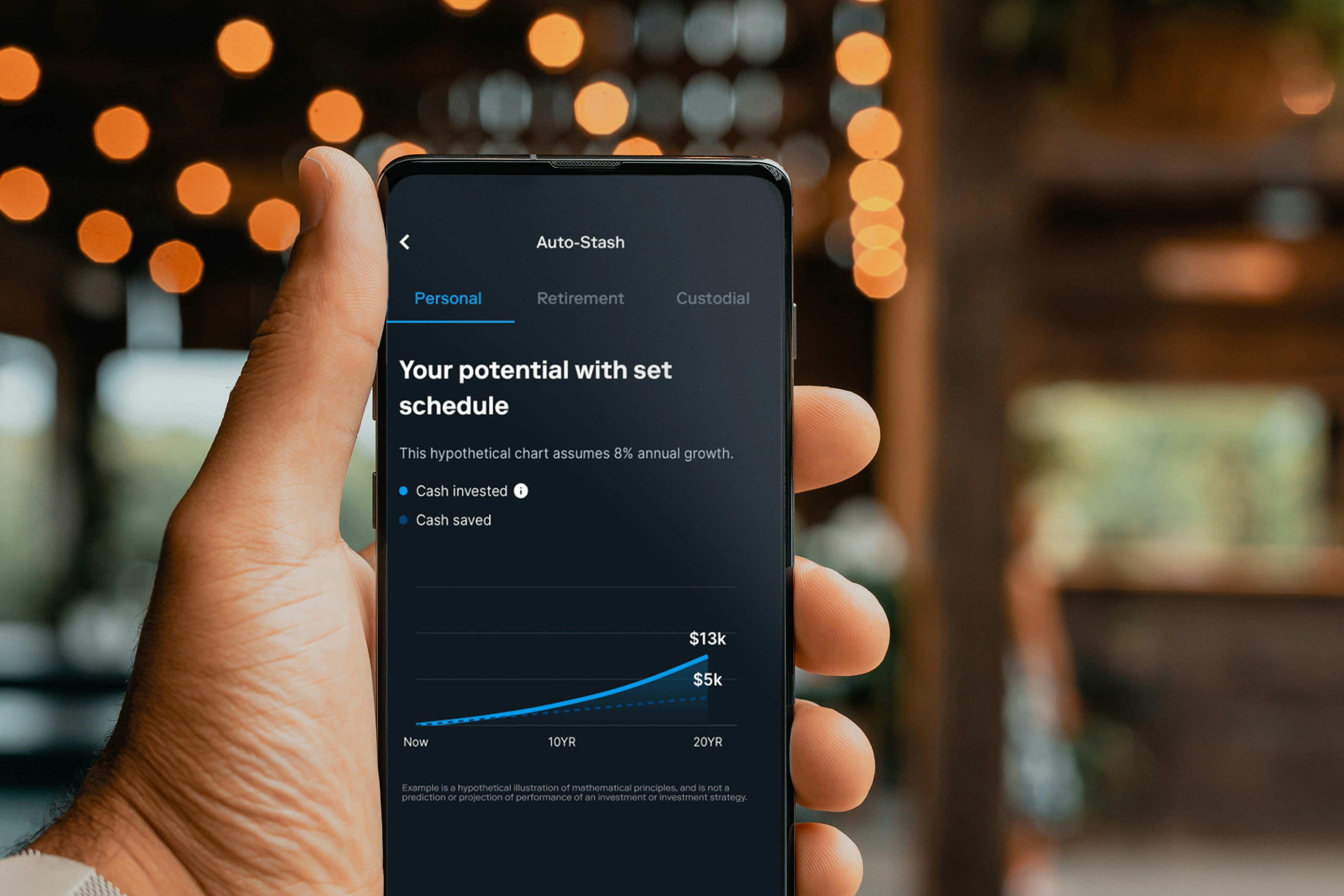
Introduction to AI Budgeting Apps
In recent years, the landscape of personal finance management has been undergoing a significant transformation with the emergence of AI budgeting apps. These innovative tools leverage artificial intelligence technology to assist users in effectively managing their finances. At their core, AI budgeting apps are designed to analyze an individual’s financial patterns, predict future spending, and suggest tailored budgets that reflect users’ unique financial situations.
The primary function of these applications is to automate the budgeting process. Traditional budgeting methods often require manual input and ongoing adjustments, which can be cumbersome and time-consuming. In contrast, AI-driven solutions utilize algorithms that automatically categorize expenses, track spending trends, and even provide insights that help users make informed financial decisions. These apps can sync with bank accounts, credit cards, and other financial platforms, aggregating data to present a comprehensive view of one’s finances.
The rising popularity of AI budgeting apps can be attributed to their ability to simplify personal finance management. With features like real-time tracking and predictive analytics, users gain a clearer understanding of their expenditure habits and potential financial pitfalls. Furthermore, as more individuals embrace technology in their daily lives, the demand for seamless and user-friendly budgeting solutions has surged. Consequently, the shift towards AI-driven financial management tools has marked a pivotal change in how people approach budgeting, signaling a move away from rudimentary tracking to sophisticated, intelligent systems capable of full financial oversight.
As we look towards 2026, it is evident that AI budgeting apps will continue to shape the future of financial management, offering not only accuracy and efficiency but also empowering users to take control of their financial destinies.
The Role of Algorithms in Predicting Spending
As technology continues to advance, the adoption of AI budgeting apps is becoming increasingly prevalent in the realm of personal finance management. Central to the functionality of these applications are sophisticated algorithms that analyze user spending behavior. These algorithms leverage machine learning techniques to detect patterns and trends within a user’s financial transactions, ultimately providing insights that can facilitate better budgeting decisions.
One of the primary methods employed by AI budgeting apps involves the collection and processing of historical spending data. By examining categories such as groceries, entertainment, and utilities, these algorithms can create a comprehensive profile of the user’s financial habits. This information serves as a baseline from which the app can extrapolate future spending behaviors. For instance, if a user consistently spends a certain amount on food each month, the app can predict future expenses in that category while also considering variables such as seasonal changes in shopping habits.
Furthermore, AI budgeting apps utilize predictive analytics to project future financial scenarios, enabling users to visualize how their spending habits may impact their savings and budgeting goals. By incorporating external economic factors, such as inflation rates or changes in income levels, these algorithms refine their predictions, offering personalized recommendations that enhance financial planning. Additionally, insights derived from similar user profiles across the platform can augment predictions, revealing collective trends that may not be immediately apparent to the individual user.
In essence, the algorithms integrated into these AI budgeting apps not only enhance the accuracy of spending predictions but also empower users to make informed financial decisions. As machine learning technology continues to develop, the depth and effectiveness of these predictive capabilities are expected to improve, thereby transforming the overall user experience in managing personal finance.
Benefits of Using AI for Budgeting
In the rapidly evolving landscape of personal finance management, AI budgeting apps stand out as innovative tools designed to optimize financial planning. By leveraging advanced algorithms and machine learning, these applications offer several significant benefits that enhance the budgeting experience.
One of the primary advantages of utilizing AI budgeting apps is their ability to provide personalized recommendations tailored to individual financial situations. Unlike traditional budgeting methods that often rely on generic advice, these apps analyze user spending patterns, income levels, and financial goals to suggest customized strategies for expense management and saving. This personalization enables users to maintain better control over their finances and make informed decisions.
Furthermore, AI budgeting applications significantly enhance budgeting accuracy. By automatically categorizing expenses and tracking spending in real-time, they help users avoid errors that commonly arise from manual data entry. This precision in financial tracking ensures that individuals have a clear view of their financial standing at any given time, allowing them to adjust their habits accordingly.
Another notable benefit of these applications is their capacity to optimize savings. AI budgeting apps often include features that analyze users’ cash flow and highlight opportunities for savings. By identifying unnecessary expenditures and suggesting alternatives, these tools can help users allocate their resources more effectively, leading to improved savings rates.
Ultimately, the integration of AI into budgeting practices not only streamlines financial management but also contributes to better overall financial health. With enhanced insights, users are empowered to make proactive financial choices, setting them on a path toward achieving long-term financial stability. By embracing AI budgeting apps, individuals are more likely to take charge of their finances, ensuring they are equipped to navigate their financial futures effectively.
Challenges and Limitations of AI Budgeting Technologies
As AI budgeting apps gain prominence in the financial landscape, it is crucial to address the challenges and limitations that accompany these technologies. One of the primary concerns relates to privacy. Users must provide sensitive financial information for these applications to function effectively; however, the handling and storage of this data can raise significant privacy issues. Many consumers are wary about how their data is utilized, who has access to it, and how securely it is protected. In an era where data breaches are increasingly common, these apprehensions may deter potential users from fully embracing AI-driven financial tools.
In addition to privacy concerns, the accuracy of predictions made by AI budgeting apps can often be questioned. While these apps rely on algorithms to provide users with forecasts about their financial planning and budgeting, the underlying models are only as good as the data they are fed. If the algorithm lacks precision or is based on flawed assumptions, the predictions may lead to misguided financial decisions. Consequently, users may find themselves in precarious situations if they place undue trust in the capabilities of the technology.
Moreover, over-reliance on fintech solutions can pose risks for users. Many individuals may depend heavily on AI budgeting apps, leading to a diminished ability to engage with their finances independently. This reliance can erode essential financial literacy skills, as users may lose track of how to manage their budgets without the aid of technology. Ultimately, a balanced approach is necessary, where users remain informed and involved in their financial matters, ensuring that technology acts as an enhancement rather than a crutch.
Lastly, the limitations inherent in algorithmic analysis of financial behaviors further complicate the use of AI budgeting apps. Each individual has unique spending habits and financial goals, which algorithms may not accurately capture. Therefore, while AI budgeting apps can be effective tools, it is essential for users to remain vigilant, question the insights provided, and maintain active engagement with their financial planning.
User Experience: How People Interact with AI Budgeting Apps
The effectiveness of AI budgeting apps significantly hinges on their user interface (UI) and user experience (UX). A well-designed app not only simplifies financial management but also enhances user engagement, making the process of budgeting more intuitive and enjoyable. As technology progresses, the importance of an appealing and functional UI becomes increasingly evident in attracting and retaining users in the finance sector.
Ease of use is a crucial factor that influences how effectively users interact with these applications. A straightforward interface allows users to navigate through various features effortlessly. For example, clear labeling of functions and the use of recognizable icons can facilitate quick access to budgeting tools, expenditure tracking, and financial insights. Moreover, integrating user-friendly design elements, such as dashboard overviews that provide a snapshot of financial health, can enhance the experience for users, especially those who might not be tech-savvy yet wish to use advanced ai budgeting apps.
Accessibility features also play a vital role in ensuring that a diverse range of users can effectively utilize AI budgeting apps. This includes considerations for users with disabilities, such as voice command functionalities or high-contrast visual designs for those with visual impairments. Furthermore, offering multi-language support can also broaden the user base, making finance management accessible to non-native speakers. The application of inclusive design principles is essential in fostering an environment where all individuals feel empowered to manage their finances through modern technology.
Overall, the interaction that users have with AI budgeting tools is deeply influenced by the design principles that developers choose to implement. A seamless and attractive user experience not only improves satisfaction but also promotes consistent engagement with financial tracking—ultimately aiding users in achieving their monetary goals more effectively.
The Evolution of AI in Personal Finance
The integration of artificial intelligence (AI) into personal finance has transformed the landscape of financial management over the years. Initially, budgeting was conducted using basic spreadsheets and manual calculations, which offered little in terms of automation and real-time insights. The turning point came with the introduction of early financial applications that utilized rudimentary algorithms to assist users in tracking their income and expenses.
Throughout the 2000s, we witnessed a significant evolution as technology advanced. The advent of more sophisticated algorithms enabled these applications to provide users with more personalized recommendations and automated financial tracking. It was during this phase that the concept of AI budgeting apps began to take shape, as they capitalized on the growing amounts of data available from various financial sources, allowing for smarter insights and forecasting.
In the following decade, the incorporation of machine learning further propelled the capabilities of these ai budgeting apps. By learning from user behavior and spending patterns, these applications could make predictions about future financial trends, thus empowering users to make informed decisions regarding their finances. Innovations such as automated savings methods, where users could set aside money based on historical spending habits, became increasingly popular.
Key milestones, such as the integration of artificial intelligence into mobile banking and the rise of chatbots for financial customer service, signified a shift toward user-centered financial tools. As apps began to leverage big data analytics, they could offer tailored advice, budgeting tips, and even detect potential fraudulent activities, substantially enhancing the overall user experience.
As we approach 2026, the pathway of AI in personal finance has set the stage for more advanced budgeting applications. Continued advancements in technology promise to further refine the user experience, making finance management seamless, effective, and deeply personalized.
Future Trends in AI Budgeting Applications
As we approach 2026, the evolution of AI budgeting apps is poised to significantly transform the financial landscape. Anticipated advancements in technology will enhance the capabilities of these applications, offering users more effective tools for managing their finances. One of the most prominent trends is the improvement in predictive analytics. Future finance apps will likely possess advanced algorithms that can not only track spending habits but also accurately predict future expenses based on historical data and user behaviors, helping individuals to make informed financial decisions.
Moreover, the integration of AI budgeting apps with various financial services will create a seamless user experience. For instance, users may expect functionalities that link their budgeting tools with banking services, investment platforms, and credit monitoring systems. Such integrations will allow users to access a comprehensive view of their financial situation, which can lead to more integrated financial planning and better management of resources.
Additionally, data security and user privacy are critical areas that will see enhancements. As AI budgeting apps become increasingly commonplace, the need for robust security measures to protect sensitive financial information will intensify. Developers will be focused on implementing sophisticated encryption methods and privacy-preserving technologies to ensure user trust. This evolving focus on security is essential as users become more aware of the implications of sharing their financial data.
Ultimately, by 2026, the landscape of AI budgeting applications will be characterized by not only advanced predictive capabilities and enhanced integrations with financial services but also a strong emphasis on user privacy and data security. As these trends emerge, users can expect a more personalized and secure financial management experience, paving the way for more effective budget planning and financial well-being.
Comparative Analysis of Top AI Budgeting Apps
As we progress into 2026, the landscape of personal finance management is significantly influenced by technology, particularly through the emergence of AI budgeting apps. These applications leverage artificial intelligence to enhance user experience, providing tailored financial insights and automated expense tracking. Below, we examine several leading AI budgeting apps that have gained traction this year.
One of the most prominent contenders is App A, which excels in its user-friendly interface and comprehensive financial analytics. Utilizing machine learning algorithms, it offers personalized budgeting recommendations, helping users make informed financial decisions. However, some users have noted issues with syncing bank transactions effectively, a potential drawback for those seeking real-time updates.
In contrast, App B stands out for its robust goal-setting features. It allows users to define specific financial targets, such as saving for a vacation or paying off debt, and then tracks progress towards these goals. While the app’s functionality is impressive, it may overwhelm new users with its extensive feature set, requiring a learning curve to navigate its full potential.
Another noteworthy app is App C, which focuses on expense categorization through innovative AI technology. This app automatically tags expenditures, enabling users to understand spending patterns better. Despite its strengths, some reviews indicate that the app occasionally misclassifies transactions, which could lead to confusion when analyzing budgets.
Lastly, App D incorporates social features, allowing users to share goals and progress with friends or family. This can foster a sense of accountability and encouragement. However, some users express concerns about privacy and data security, suggesting that it may not be the best fit for everyone.
Ultimately, selecting the right AI budgeting app will depend on individual financial objectives, preferred features, and the level of user engagement desired. By weighing these factors, individuals can find the most suitable tool to enhance their financial management in 2026.
Conclusion: Is AI the Future of Personal Finance Management?
As we look towards 2026, the significance of AI budgeting apps in personal finance management cannot be overstated. The transformative potential of these applications raises intriguing prospects for consumers navigating their financial landscapes. AI budgeting apps harness advanced algorithms to provide tailored financial insights, making budgeting an easier and more intuitive process. Given the proliferation of data-driven technology, individuals are likely to benefit from enhanced tracking of income and expenditures, automatically categorized transactions, and personalized saving suggestions.
Moreover, the integration of AI into budgeting tools can foster healthier financial habits. These apps may be equipped with intelligent features that learn user behavior over time. Such an approach can contribute to fostering discipline in spending while motivating users to achieve their financial goals. With AI’s capability to analyze spending patterns and forecast future expenses, users could be in a stronger position to manage their finances effectively.
However, the success of ai budgeting apps hinges not only on their technological capabilities but also on user adoption and trust. For AI-driven financial solutions to revolutionize personal finance management, consumers need to feel comfortable with the technology and confident in its recommendations. This necessitates a commitment to user education and transparency about how these apps operate and utilize financial data.
In conclusion, while it is clear that AI budgeting apps hold the promise of revolutionizing personal finance management, their efficacy will ultimately depend on how well they integrate into consumers’ lives and the extent to which they enhance financial understanding. The ongoing evolution of AI technology and its application in finance could significantly influence budgeting behaviors, paving the way for a more informed and financially savvy consumer base in the upcoming years.