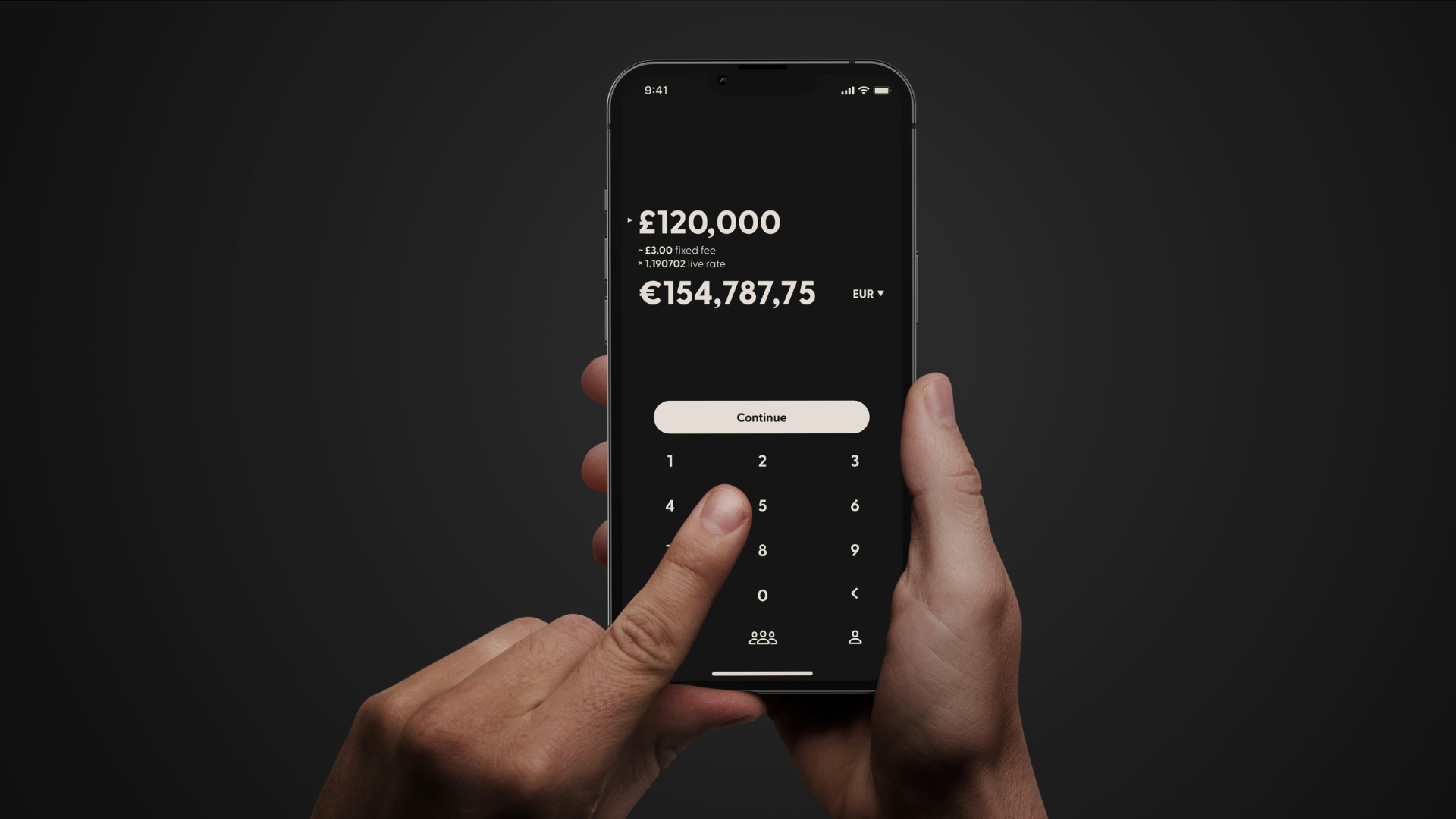
Introduction to International Money Transfer Apps
In today’s interconnected global economy, the demand for efficient, reliable, and cost-effective methods to send money across borders has significantly increased. International money transfer apps have emerged as a practical solution, allowing individuals and businesses to conduct transactions swiftly and securely. These applications facilitate the transfer of funds from one country to another, often at minimal fees compared to traditional banking methods.
International money transfer apps operate by leveraging technology and online platforms. Users can easily link their bank accounts or credit cards to the app, enabling them to send money through a few taps on their mobile devices. Many of these services allow for real-time tracking of transactions, providing peace of mind and transparency for users. Additionally, most apps convert currencies automatically, which helps avoid confusion regarding exchange rates.
One of the primary benefits of using international money transfer apps is their accessibility. They cater to diverse user needs, whether it be for personal remittances, business payments, or even e-commerce transactions. The user-friendly interfaces make it convenient for anyone to navigate, regardless of their financial acumen. Furthermore, the speed at which transfers can be completed—sometimes instantly—greatly surpasses traditional methods that can take several days.
Moreover, international money transfer apps often feature competitive rates and lower fees, which can make them more appealing than using banks for these services. Enhanced security measures, such as encryption and two-factor authentication, also bolster user trust in these platforms. Overall, the rising popularity of these applications reflects a broader trend in finance towards digital solutions, aligning with changing consumer preferences and increasing reliance on technology in everyday financial transactions.
Key Features to Consider When Choosing an App
When selecting international money transfer apps, it is crucial to consider several key features that directly affect the user experience and overall functionality. One primary aspect is the user interface, as a simplified, intuitive design enhances navigation and ease of use. A well-structured app allows users to complete transactions swiftly and reduces the potential for errors during transfers.
Security measures stand out as another vital criterion when choosing an app for international money transfers. Users should seek applications that employ robust encryption protocols and offer two-factor authentication options. These features significantly enhance the app’s security, safeguarding personal and financial information against potential threats.
Customer support is an essential feature that users often overlook. Effective customer support can provide assistance during unexpected issues or inquiries regarding transactions. Look for apps that offer multiple support channels, such as live chat, email, and phone support, which ensure timely help whenever needed.
The variety of payment methods accepted by the app also merits consideration. Different users may prefer distinct payment options based on convenience and accessibility. Popular international money transfer apps typically enable multiple methods, including bank transfers, credit cards, and e-wallets, catering to a wider audience.
Additionally, the app’s fees and transfer speeds should play a critical role in your decision-making process. Users generally look for competitive fees and faster transfer times, especially when dealing with urgent transactions. Reading reviews and comparing various services can provide insights into which apps consistently deliver the best financial services.
In conclusion, by focusing on these essential features—user interface, security measures, customer support, payment methods, fees, and transfer speeds—individuals can make informed choices when selecting the right international money transfer app to suit their financial needs.
Fee Structures of Popular Money Transfer Apps
In 2026, when considering international money transfer apps, understanding the fee structures is paramount for users aiming to minimize costs. The fees for these finance apps can vary significantly based on a variety of factors, including the service provider, the amount sent, and the destination country. Below is a comparative review of the fees associated with several popular international money transfer apps that have made a significant impact on the market.
One of the leading apps, TransferWise (now known as Wise), is known for its transparent fee structure. It charges a small percentage of the transfer amount as a fee, in addition to a nominal fixed fee, which can vary by currency. Users benefit from the mid-market exchange rate, which is a substantial advantage compared to many traditional bank transfers. This combination of clarity in fees and favorable rates makes Wise a top choice for sending money internationally.
Similarly, PaySend is gaining traction for its straightforward and affordable pricing model. The app imposes a fixed fee per transaction, which typically remains low compared to competitors. However, its distinctive feature is that it claims to have no hidden charges, making it an appealing option for users conscious of additional costs that may not be immediately apparent.
On the other hand, apps like Remitly and WorldRemit utilize a dual pricing structure. They offer users the choice between an economy option, with lower fees but slower transfer times, and an express service, which carries a premium fee for faster delivery. This flexibility could attract diverse users, but it is critical for senders to calculate the actual costs involved carefully.
Lastly, it’s essential to consider the myriad of hidden charges that may not be openly disclosed at the outset. Factors such as currency conversion rates, receiving bank fees, and withdrawal charges can further increase the total amount paid for a transaction. Therefore, a comprehensive evaluation of these fees is necessary for users to make well-informed decisions regarding international money transfer apps.
Speed of Transactions: How Fast are Transfers?
In the realm of international money transfer apps, transaction speed is a crucial factor that users consider when selecting a service. Different financial services have varying capabilities regarding how quickly they can transfer funds across borders. This section delves into the transaction speeds provided by several popular international money transfer apps, analyzing which ones excel in delivering instant transfers and which might require more time.
Many users of finance and remittance services typically seek immediate solutions for their needs. For those in search of instant transfers, apps like app and app stand out, often facilitating transactions that are completed within minutes. These services employ advanced technology and vast networks to ensure that funds reach their destination rapidly, especially within regions like Europe and North America.
On the contrary, other international money transfer apps may take longer due to a variety of factors, including regulatory checks and the countries involved in the transaction. For instance, apps such as app might require a few hours or even a day for the funds to arrive, depending on the destination country’s banking infrastructure and operating hours. Users should be aware of these variations, as they might impact their decision on which app to use.
Additionally, transaction speed can also be influenced by the payment method chosen. For example, debit or credit card payments may lead to faster transfers, while bank transfers can elongate the process. It is essential for users to weigh these factors against each other when deciding on the most suitable international money transfer app for their needs. Efficient and swift transactions are pivotal in finance, and understanding the speed of transfer can significantly improve user satisfaction and relieve financial pressures.
Ultimately, when selecting an international money transfer app, one must prioritize transaction speed alongside fees and overall reliability to ensure a seamless experience.
Exchange Rates and Their Impact on Transfers
When using international money transfer apps, understanding exchange rates is crucial for optimizing the amount received by the recipient. Different apps utilize varying methods to manage and present these rates, and these discrepancies can have a significant impact on transfer costs.
Exchange rates fluctuate due to economic factors, market demand, and geopolitical events, which makes it essential for users to compare the rates offered by different international money transfer apps. Some platforms provide real-time rates that may offer a competitive edge. However, others might charge a margin on the exchange rate, which could increase costs significantly.
For instance, an app that offers a slightly lower transfer fee might compensate for it by providing an unfavorable exchange rate. Therefore, while evaluating transfer options, it is advisable to look beyond just the stated fees and to scrutinize the exchange rates as well. Users should ask themselves if the app’s total cost – including both fees and the exchange rate – offers a better deal than its competitors.
Furthermore, certain apps may also allow users to lock in exchange rates for a specified period. This is particularly advantageous in fluctuating markets, as it protects the parties involved from sudden adverse rate movements. Consequently, the ability to manage exchange rates effectively is an essential element in selecting the right international money transfer app.
In addition, some platforms offer tools for rate alerts, enabling users to monitor favorable rates which can help in optimizing the timing of their transfers. By staying informed of exchange rate trends through such features, users can maximize the total amount received and minimize costs accurately.
User Reviews and Ratings
User reviews serve as a valuable resource for gauging the effectiveness and reliability of international money transfer apps. Various users share their experiences, highlighting both the positive aspects and the challenges faced during their transaction processes. In doing so, they provide insights into what potential users can expect regarding usability, speed, and fees associated with these apps.
Positive feedback often emphasizes the convenience and efficiency of these international money transfer apps. Many users appreciate the user-friendly interfaces, noting that the streamlined processes allow for quick transfers with just a few taps. For instance, some reviewers point out that the instant transfer feature available in many apps has significantly changed their payment habits, enabling them to send money overseas without the usual delays associated with traditional banking methods.
Moreover, several users report satisfaction concerning competitive fees. Many international money transfer apps offer better rates compared to conventional banks, with some attracting users with promotional offers that eliminate fees for the first transaction. Such incentives often result in positive discussions among users, leading to recommendations for their peers.
However, it is important to consider the negative feedback as well. A recurring theme in reviews involves issues with customer service. Users frequently express frustration when they encounter problems, citing long response times and inadequate assistance. Additionally, some users have reported discrepancies in exchange rates that were not apparent at the time of the transfer, leading to confusion and dissatisfaction.
Another criticism involves transfer speed. While many transfers are indeed instant, some users have experienced delays, especially during peak times or due to regulatory checks. As swift transactions are a critical factor for many, this feedback highlights a significant area that can impact user perceptions.
In summary, user reviews present a broad perspective on the performance of international money transfer apps. By weighing both the favorable and unfavorable experiences, potential users can make informed decisions based on real-world input.
Security Measures: Ensuring Safe Transfers
In the realm of finance, security is paramount, especially when dealing with international money transfer apps that handle sensitive user information and transactions. As digital platforms continue to evolve, service providers implement various security measures to safeguard users against fraud and unauthorized access. Understanding these features can help users make informed decisions when selecting an app for their money transfer needs.
One of the most critical security protocols employed by these apps is encryption. Leading international money transfer apps utilize advanced encryption standards to protect data during transmission. This process ensures that sensitive information, such as bank details and personal identification, remains confidential and is not easily intercepted by malicious actors. The strength of the encryption methods used can significantly impact the overall security of the application.
Additionally, two-factor authentication (2FA) is commonly integrated into these platforms as a layer of protection. With 2FA enabled, users must provide two separate forms of verification before executing a transaction. This can include something they know, like a password, and something they have, such as a mobile device for receiving a verification code. By requiring multiple credentials, two-factor authentication significantly reduces the potential for unauthorized access to user accounts and enhances trust in the app.
Furthermore, many international money transfer apps also employ real-time transaction monitoring systems. These systems continuously scan for any suspicious activities, alerting users and the service provider of potential fraud attempts. By leveraging advanced algorithms and machine learning, these apps can enhance their capability to detect unusual patterns and prevent fraudulent transactions before they occur.
In addition to these measures, users are encouraged to adopt personal security practices, such as using strong, unique passwords and keeping their software updated. By combining robust security features from the app with personal vigilance, users can achieve a higher level of protection when utilizing international money transfer services. Ensuring safety in financial transactions is essential, and the security measures employed by these apps are a critical component in building user confidence and preventing financial loss.
Best Apps for Different Types of Users
Finding the right international money transfer app tailored to individual needs is essential for efficient financial transactions. Different users have varying requirements, whether for personal remittances, business needs, or specific geographic transactions. By exploring the options available in the finance sector, users can select the most suitable app for their unique circumstances.
For those engaged in personal remittances, apps like Wise and Remitly stand out. Wise is known for its low fees and transparent exchange rates, making it a popular choice for sending money abroad. Remitly offers speed, with options for same-day delivery, appealing to individuals sending urgent funds to family or friends. Both apps are user-friendly and cater to various geographic preferences, serving regions like Latin America and Asia.
Business users, on the other hand, might find TransferWise for Business and PayPal to be advantageous. TransferWise for Business streamlines transactions for companies operating internationally, providing multi-currency accounts and competitive rates. PayPal, while often associated with personal payments, also offers robust business features, including invoicing and payment tracking, making it a practical choice for small to medium-sized enterprises.
For individuals targeting specific areas, Western Union is noteworthy. This app excels in regions where traditional banking services may be limited. For example, in many countries in Africa and Asia, Western Union has a prominent presence, allowing users to send money to locations that may not support digital transactions. Furthermore, its extensive network of agent locations can be invaluable for those preferring cash pickup options.
Overall, the landscape of international money transfer apps is diverse, catering to varied user needs. Whether for personal or business purposes, there are tailored solutions available that can facilitate seamless financial transactions across borders.
Conclusion and Future Trends in Money Transfers
As we wrap up our exploration of international money transfer apps for 2026, it is evident that the landscape of finance is evolving rapidly. The key findings suggest that the fees and speeds associated with various platforms significantly influence user choice and satisfaction. Traditional banking methods are increasingly being overshadowed by the convenience and efficiency offered by these apps, which are designed to meet the diverse needs of their users.
Moreover, the integration of cryptocurrency into the framework of international money transfers is emerging as a noteworthy trend. With digital currencies gaining traction, platforms are beginning to offer options for users to send and receive funds using cryptocurrencies. This not only streamlines the transfer process but also reduces dependency on traditional exchange rates, potentially resulting in lower fees for customers.
Technological advancements, such as blockchain technology, are set to play a crucial role in shaping the future of international money transfer apps. Blockchain provides a decentralized and transparent environment for transactions, thereby enhancing security and reducing fraud. As more companies invest in this technology, we can expect a significant shift towards faster transaction times and improved reliability in the services offered.
In conclusion, the world of international money transfers is in a dynamic state of change. The findings highlighted in this post underscore the importance of staying informed about the various apps available and the trends that are likely to shape their evolution. As regulations adapt and technology continues to advance, consumers can look forward to enhanced options that prioritize speed, cost-effectiveness, and overall user experience in their financial transactions.