Understanding Physical AI
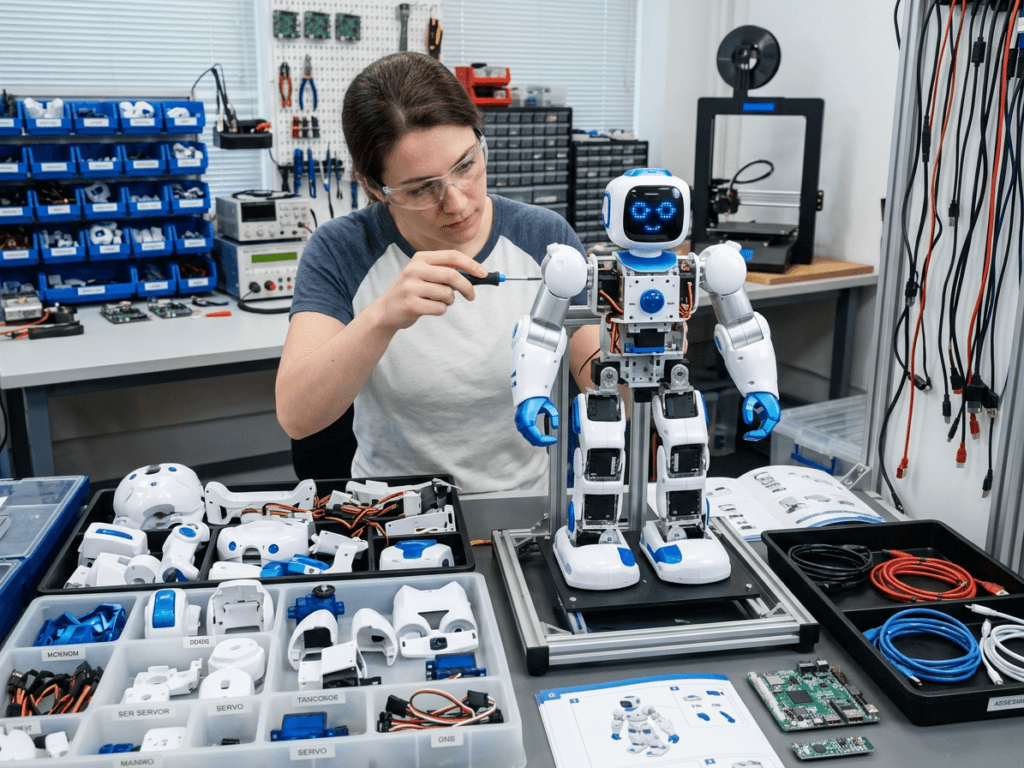
Physical AI refers to a branch of artificial intelligence that integrates computational principles with physical systems, allowing machines to interact with the tangible world in a more intuitive and effective manner. Unlike traditional AI, which primarily focuses on data processing and decision-making through software algorithms, Physical AI encompasses the coordination of robotics and smart devices to perform complex tasks that require both computational intelligence and physical action.
Key concepts of Physical AI include embodiment, sensory perception, and motor functions. Embodiment is the notion that intelligence is enhanced when it is embodied in a physical form, such as a robot or a smart device. This involvement allows machines to collect data from their environment through sensors, process that information, and then execute actions based on the insights gained. Sensory perception enables these systems to adjust and respond to real-time changes in their surroundings, further facilitating seamless interaction with the physical world.
The applications of Physical AI are vast and varied, spanning multiple industries. In the realm of robotics, Physical AI has enabled advancements in fields like manufacturing, where automated systems can assemble products with precision and efficiency. Smart devices, from home assistants to advanced automobiles, leverage Physical AI to enhance user experience and promote safety. Medical robots, designed to assist surgeons during complex procedures, exemplify the role of Physical AI in healthcare; these innovations improve the precision of operations while minimizing risks to patients.
Beyond robotics and smart devices, industries such as logistics, agriculture, and construction are also harnessing the potential of Physical AI. Drones are deployed for crop monitoring and aerial surveillance, while automated guided vehicles (AGVs) streamline warehouse operations. These integrations signal a shift toward an era where intelligent automation not only augments human capabilities but also transforms entire sectors. As we continue to explore and refine Physical AI technologies, their impact on society is poised to grow significantly.
Market Potential and Economic Impact
The market potential of Physical AI is vast and multifaceted, with various industry estimates projecting substantial growth in the coming years. According to recent analyses, the global market for automation technologies, inclusive of Physical AI, is likely to reach an astonishing value, with annual growth rates in the double digits. This surge can be attributed to the accelerating adoption of AI-driven robotics and systems that streamline operations across multiple sectors.
Physical AI encompasses a range of intelligent automation solutions that can augment productivity and eliminate repetitive tasks, which ultimately leads to cost savings and improved efficiency for businesses. Notably, industries such as manufacturing, logistics, and healthcare are among the early adopters of such technologies, heralding a shift toward more advanced operational models. As these technologies become increasingly sophisticated, their adoption is expected to become widespread, positioning Physical AI as a cornerstone of modern economic infrastructure.
In addition to its market size, the economic impact of Physical AI extends to job creation. While there are concerns regarding potential job displacement, many experts argue that Physical AI will create new employment opportunities in tech-oriented fields. These roles will emerge in areas such as AI maintenance, programming, and systems integration. Furthermore, the enhancement of existing jobs through the integration of intelligent automation is anticipated, allowing workers to focus on higher-level tasks that require critical thinking and creativity.
Physical AI also poses the potential for significant disruption across established industries. Companies that integrate these technologies may gain a competitive edge, prompting competitors to adapt or innovate. This dynamic could lead to a redefinition of industry standards and practices, ultimately fostering an environment ripe for innovation and agility. The anticipated integration of Physical AI into mainstream operations suggests a pivotal moment for both businesses and the broader economy, further highlighting the strategic importance of embracing intelligent automation.
Innovative Applications of Physical AI
The advent of Physical AI has ushered in a transformative era across multiple sectors, particularly in healthcare, manufacturing, and transportation. These innovative applications showcase the remarkable potential of intelligent automation to enhance efficiency and productivity while improving user experiences.
In the healthcare sector, Physical AI is being effectively utilized to assist in patient care and surgical procedures. For instance, robots powered by advanced Artificial Intelligence (AI) are now performing minimally invasive surgeries with precision that surpasses that of human surgeons. Such innovations not only reduce recovery times but also minimize the risk of complications, significantly improving patient outcomes. Additionally, AI-driven robots are being deployed in hospitals to assist staff with routine tasks such as medication delivery and patient monitoring, which allows healthcare professionals to focus on providing quality care.
Turning to manufacturing, the integration of Physical AI is revolutionizing production lines. Autonomous robots and smart machinery are now capable of carrying out complex tasks while working alongside human workers. These systems learn from their environment and adapt to changes in real-time, thereby optimizing processes and reducing downtime. A notable example is the use of AI in quality control, where intelligent systems can swiftly detect defects in products that are beyond human capability to notice, thus ensuring higher standards and productivity.
In the transportation industry, Physical AI applications include autonomous vehicles and drones, which are reshaping the logistics landscape. Such technologies facilitate efficient deliveries and enhance safety on the roads. For example, companies are testing AI-enabled trucks that can navigate routes autonomously while adjusting to traffic conditions in real-time, leading to reduced fuel consumption and timely deliveries. The deployment of drones for last-mile logistics is also gaining traction, which not only speeds up the delivery process but also optimizes operational costs.
In conclusion, the diverse applications of Physical AI across various sectors illustrate its potential to drive significant advances in efficiency, productivity, and user experience. As these technologies continue to evolve, they hold promise for further enhancing the way industries operate, marking a notable shift towards a more automated future.
Challenges and Considerations for the Future
The integration of Physical AI into various industries is met with numerous challenges that need to be considered. As we look towards the future of intelligent automation, understanding these obstacles is essential for both developers and users alike. One significant challenge revolves around ethical considerations. The deployment of AI systems that can interact physically with humans raises questions about safety, accountability, and bias. Ensuring that these technologies are programmed and trained in a manner that is fair and just is crucial to prevent potential misuse or unintended consequences.
Another major barrier is the technological limitations currently faced in the realm of Physical AI. The complexity of creating machines that can not only perform tasks but also adapt to their environments demand advancements in AI algorithms and robotics. Issues such as power supply, sensory feedback, and real-time processing continue to be areas of active research. Overcoming these technological hurdles will be necessary to unlock the full potential of Physical AI systems.
Moreover, the societal impacts of adopting Physical AI cannot be ignored. As machines become capable of assuming roles traditionally occupied by humans, there are valid concerns regarding employment and the economy. While Physical AI has the potential to enhance productivity and efficiency, it also raises fears about job displacement and the widening of socio-economic disparities. Striking a balance between technological advancement and workforce sustainability will be vital as industries evolve.
In conclusion, tackling the challenges associated with Physical AI adoption — including ethical dilemmas, technological limitations, and societal ramifications — is crucial for ensuring a responsible and beneficial integration of intelligent automation into our daily lives. As this field continues to develop, proactive measures and thoughtful considerations will shape a future where Physical AI can thrive in a manner that is safe and equitable for all stakeholders involved.